
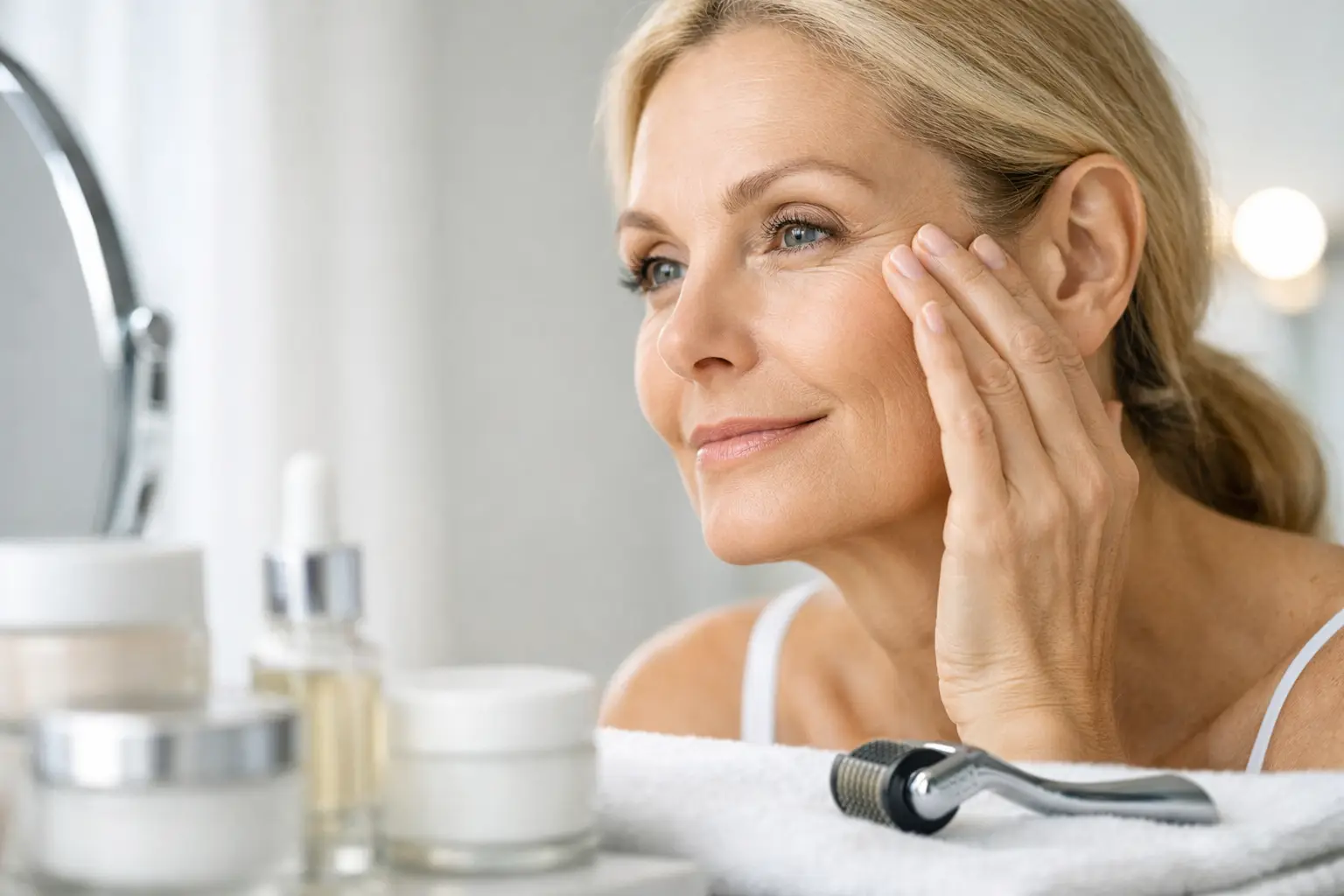
Fine lines rarely have one cause, which is why the best treatment for fine lines is rarely a single product or procedure. The fine creasing around your eyes may be driven by years of smiling and squinting. Lines across the forehead may be muscle-related, while a crinkled texture on the cheeks can reflect sun exposure, collagen loss, dehydration, or changes in skin quality. The most refined results begin with identifying what your skin is actually asking for.
At a premium medical aesthetics clinic, the goal is not to erase every expression or make your face look unfamiliar. It is to restore a smoother, healthier-looking complexion while protecting the movement, character, and confidence that make you look like yourself.
What Is the Best Treatment for Fine Lines?
The best treatment for fine lines depends on whether they appear only with facial movement or remain visible when your face is at rest. It also depends on their location, your skin tone and texture, your collagen levels, your lifestyle, and how much downtime you are comfortable with.
For expression lines, such as crow’s feet, forehead lines, and the vertical lines between the brows, neuromodulator treatments such as Botox are often the most effective option. These carefully placed injections relax targeted muscles that repeatedly fold the skin. When performed by a licensed, experienced provider, the result should look refreshed and natural, not frozen.
For fine lines caused by declining collagen, sun damage, or overall texture changes, collagen-stimulating treatments may be the stronger choice. Microneedling and PRP can support skin renewal and improve the look of fine creasing over time. Medical-grade skincare and daily sun protection are essential foundations, especially when maintaining clinical results.
Many clients benefit most from a thoughtful combination. A customized treatment plan can address active muscle movement, skin texture, hydration, and internal wellness at the same time, creating rejuvenation that looks balanced rather than overdone.
Botox for Dynamic Fine Lines
Dynamic lines are created by repeated facial movement. They may soften when you relax your face, but over time, they can become more deeply etched into the skin. Botox works by temporarily reducing the muscle activity responsible for these folds, allowing the skin to appear smoother and more rested.
Treatment is quick, precise, and requires little to no downtime for most patients. Results typically begin to appear within several days and continue to develop over about two weeks. The effect is temporary, commonly lasting around three to four months, although longevity varies by individual, treatment area, metabolism, and dosage.
The trade-off is that Botox does not directly rebuild collagen or correct laxity. It is highly effective for movement-driven lines, but it may need to be paired with skin-quality treatments if fine lines remain visible at rest. Skill matters here. A conservative, anatomy-led approach is especially valuable for clients who want softening without losing natural expression.
Microneedling and PRP for Texture and Collagen Support
If fine lines come with rough texture, enlarged pores, dullness, or early creping, microneedling can be an excellent option. The treatment creates controlled microchannels in the skin to activate its natural repair response and encourage collagen production. Over a series of sessions, many patients notice smoother texture, improved radiance, and a firmer-looking surface.
PRP, or platelet-rich plasma, may be incorporated to further support recovery and rejuvenation. PRP is prepared from a small sample of your own blood and contains growth factors that can complement microneedling. This approach appeals to patients who value treatments that work with the body’s own regenerative processes.
These treatments require patience. You may see an early glow, but collagen remodeling develops gradually over several weeks and months. Temporary redness is expected, and a provider should assess your skin history carefully, particularly if you are prone to pigmentation changes, active acne, rosacea flares, or certain inflammatory skin conditions.
Medical-Grade Skincare Is Not Optional
No in-clinic treatment can fully compensate for unprotected sun exposure or an inconsistent home routine. Fine lines are strongly influenced by UV damage, and daily broad-spectrum sunscreen is one of the most meaningful long-term investments you can make in your skin.
A clinically selected routine commonly includes a gentle cleanser, antioxidants in the morning, moisturizer appropriate for your skin barrier, and sunscreen with broad-spectrum protection. At night, a retinoid may be recommended to support cellular turnover and collagen production. Retinoids can be highly effective for early fine lines, but they must be introduced gradually to avoid excessive dryness, flaking, or irritation.
The right formula and strength depend on your skin. Sensitive or compromised skin may need barrier support before active ingredients are added. Pregnancy, breastfeeding, medication use, and certain skin conditions can also change which products are appropriate. Personalized guidance prevents the common cycle of overusing actives, irritating the skin, and mistaking inflammation for progress.
When Fillers May Help
Fine lines do not always need filler, and filler is not the first choice for every area. However, when skin folds are worsened by subtle volume loss or changes in facial support, strategic dermal filler can soften the surrounding shadow and restore a more rested appearance.
The key word is strategic. Placing too much product directly into delicate, finely lined skin can create an unnatural result. In a comprehensive assessment, a licensed provider may consider whether restoring support in the cheeks, temples, or other structural areas would improve lower-face lines more elegantly than chasing each crease individually.
For patients seeking natural-looking rejuvenation, this distinction is crucial. The aim is thoughtful balance, not a visibly treated face.
Why Internal Wellness Matters to Skin Quality
Skin is affected by more than what happens in a treatment room. Sleep quality, stress, nutrition, hydration, alcohol intake, smoking, hormonal changes, and nutrient status can all influence inflammation, recovery, collagen health, and visible radiance.
This does not mean supplements or vitamin drips are a replacement for evidence-based aesthetic treatments. They are not. But for the right patient, nutrition-guided vitamin protocols and wellness support can complement a skin plan by helping address the broader habits and needs that influence how the skin functions and recovers.
A whole-person approach is particularly valuable for clients who want sustained results. The appearance of fine lines may improve with a procedure, but lasting skin health is supported by consistent care, sun protection, recovery, and a plan that evolves with you.
How to Choose the Right Plan
An expert consultation should begin with more than a quick look at the lines you dislike. Your provider should assess facial movement, skin texture, hydration, pigmentation, volume distribution, prior treatments, medical history, and aesthetic goals. You should also feel comfortable discussing your timeline, budget, tolerance for downtime, and preference for gradual versus more immediate change.
For some patients, Botox plus a tailored skincare routine is the ideal starting point. For others, a series of microneedling with PRP may better address diffuse texture and early collagen loss. When multiple concerns are present, a phased plan often produces the most polished result: treat muscle movement first, improve skin quality over time, then reassess whether structural support is needed.
The Skin Health Clinic approaches fine lines as part of a larger picture of skin vitality. With science-backed treatments, licensed professionals, and customized wellness support, the focus remains on results that feel as good as they look.
Fine lines are not a failure of your skincare routine or a reason to pursue drastic change. They are a signal to choose care that is precise, preventive, and personal. A professional consultation can turn that signal into a plan that respects both your features and your long-term confidence.