
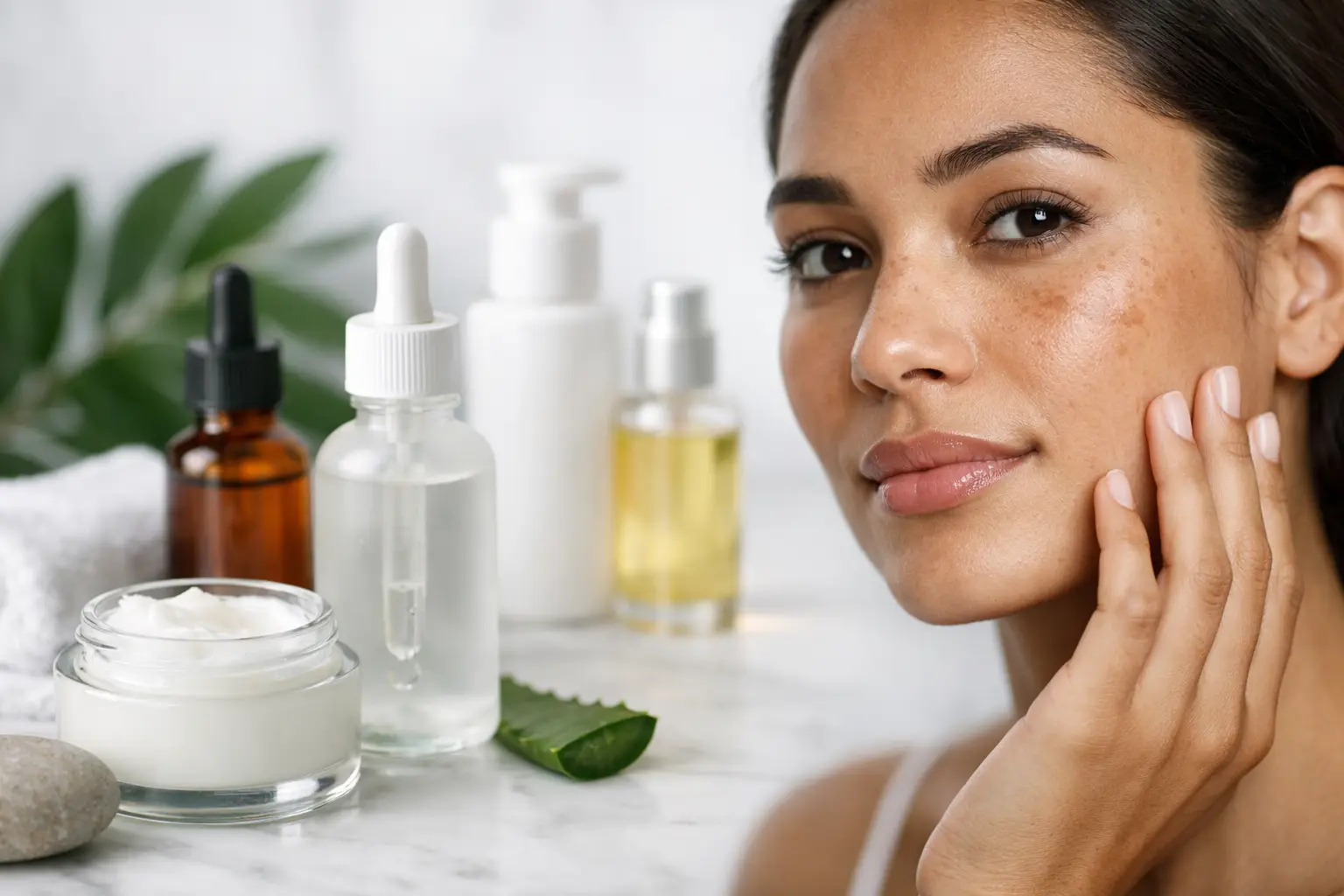
A dark mark can linger long after an acne breakout has healed, a blemish is no longer inflamed, or a summer vacation is over. That persistence is why finding the best skincare for hyperpigmentation is rarely about buying one brightening serum. Meaningful improvement comes from identifying the type of discoloration, reducing the triggers that keep it active, and following a consistent plan that respects your skin barrier.
Hyperpigmentation is treatable, but it responds best to patience and precision. A customized approach can help skin look clearer, more even, and naturally radiant without the cycle of irritation that often makes discoloration appear deeper.
Why Dark Spots Need a Personalized Plan
Hyperpigmentation occurs when the skin produces excess melanin, the pigment responsible for skin color. This can appear as post-inflammatory hyperpigmentation after acne, eczema, an ingrown hair, or a cosmetic procedure. It may also show up as sun spots from cumulative ultraviolet exposure or as melasma, which often appears in symmetrical patches across the cheeks, forehead, or upper lip.
These concerns can look similar in the mirror, yet they do not always respond to the same treatment. Post-acne marks may improve with acne management, retinoid therapy, and carefully selected exfoliation. Melasma is more complex and can be influenced by sunlight, visible light, heat, hormones, and genetic predisposition. Treating melasma too aggressively can cause inflammation and trigger more pigment.
Skin tone matters, too. Deeper skin tones can be particularly prone to post-inflammatory hyperpigmentation, which makes thoughtful treatment essential. The goal is not to strip or stress the skin in pursuit of faster results. It is to use clinically informed ingredients and treatments at a pace that supports clear, healthy-looking skin.
What the Best Skincare for Hyperpigmentation Must Do
An effective regimen has two responsibilities: it needs to address existing discoloration while preventing new pigment from forming. Brightening ingredients matter, but daily protection is equally central. Without consistent sun protection, even an excellent corrective routine may deliver limited or short-lived improvement.
A well-designed plan typically supports four areas:
- Daily broad-spectrum UV protection to limit pigment stimulation from UVA and UVB exposure
- Barrier support to reduce irritation, dryness, and inflammation
- Targeted ingredients that interrupt excess pigment production and encourage healthy cellular turnover
- Professional guidance when discoloration is persistent, widespread, or resistant to over-the-counter care
The best approach also depends on what your skin can tolerate. Someone with sensitive, dry skin may need a gentler routine than someone managing congestion and oil production. More products are not automatically better. Layering several potent acids, retinoids, and brighteners can compromise the barrier, leading to redness and new dark marks.
A Personalized Routine for Hyperpigmentation
Start every morning with protection
Sunscreen is the non-negotiable foundation of hyperpigmentation care. Choose a broad-spectrum SPF 30 or higher and apply it generously to the face, neck, ears, and any area with discoloration. Reapplication matters when you are outdoors, driving for long periods, exercising, or sitting near bright windows.
For melasma or easily triggered pigmentation, a tinted mineral sunscreen can be especially valuable because iron oxides may provide added protection against visible light. This is a practical detail with a meaningful impact for many patients who notice their patches darken despite being diligent about standard SPF.
In the morning, an antioxidant serum can complement sunscreen. Vitamin C is a popular choice because it helps defend against environmental stress while supporting a brighter, more even appearance. Some formulas can be irritating, however, particularly for reactive skin. A licensed provider can help determine whether vitamin C, niacinamide, or another antioxidant is the better fit.
Treat pigment strategically at night
Nighttime is when targeted correction often takes center stage. Retinoids, including prescription retinoids and carefully formulated retinol products, can encourage cell turnover and improve the appearance of uneven tone over time. They also support acne management, which can reduce the breakouts that lead to future marks.
Azelaic acid is another excellent option for many skin types. It can support clearer-looking skin, help calm inflammation, and visibly improve uneven tone. Tranexamic acid, kojic acid, arbutin, and licorice root are also commonly used in professional skincare plans for discoloration.
Hydroquinone remains one of the most studied pigment-correcting ingredients, but it should be used under professional supervision. It is not appropriate for every patient or for indefinite use. A medical provider can determine whether it is suitable, how it should be cycled, and what alternatives may offer a safer long-term plan for your skin.
If you are new to active ingredients, begin slowly. Use one corrective product two or three nights each week, then increase only if your skin remains comfortable. Follow with a nourishing moisturizer containing ingredients such as ceramides, glycerin, or hyaluronic acid. Consistency always outperforms a routine that is too intense to maintain.
Keep exfoliation measured
Exfoliation can improve dullness and help other products perform more effectively, but frequent at-home peeling is one of the most common mistakes in hyperpigmentation care. Overuse of strong acids, scrubs, cleansing brushes, or peel pads can create low-grade inflammation that perpetuates discoloration.
For some patients, a gentle alpha hydroxy acid or beta hydroxy acid used once or twice weekly is appropriate. For others, particularly those with melasma, rosacea, or a weakened skin barrier, exfoliation should be limited or paused. Your skin should feel comfortable and balanced, not tight, stinging, or persistently red.
When Professional Treatments Make Sense
Medical-grade skincare can create significant visible improvement, but stubborn pigment often benefits from in-clinic care. The right treatment depends on your pigment type, skin tone, sensitivity, lifestyle, and ability to follow a detailed aftercare plan.
Superficial chemical peels can refresh uneven tone and texture when selected and administered appropriately. Microneedling may support overall skin rejuvenation and improve the appearance of post-acne discoloration for suitable candidates. Treatment settings, preparation, and aftercare are especially important for deeper skin tones and anyone with a history of post-inflammatory hyperpigmentation.
Energy-based treatments can be effective in the right circumstances, but they require careful assessment. Certain lasers or aggressive treatments may worsen melasma or create additional pigment when not properly matched to the patient. This is why a consultation with experienced, licensed professionals is more valuable than following a one-size-fits-all treatment trend.
At The Skin Health Clinic, professional skin analysis helps guide a treatment plan that may combine medical-grade home care with carefully selected rejuvenation treatments. The focus is on visible refinement while protecting the skin’s long-term health and natural integrity.
Habits That Can Quietly Keep Dark Spots Active
Hyperpigmentation is not only a product issue. Picking at blemishes, waxing or shaving irritation, friction from masks or athletic gear, and inconsistent sunscreen use can all keep the pigment cycle going. If acne is still active, treating the breakouts is an essential part of preventing future marks.
Internal wellness can also support a more thoughtful skin strategy. A nutrient-dense diet, adequate hydration, restorative sleep, and stress management do not replace clinical treatment, but they can support skin recovery and overall vitality. If you are considering supplements, especially while pregnant, breastfeeding, or taking medication, seek individualized medical guidance rather than relying on broad promises.
Pregnancy and breastfeeding also change which topical ingredients and procedures are appropriate. Retinoids are generally avoided during pregnancy, and any brightening plan should be reviewed with your healthcare provider.
What Results Can You Expect?
Improvement is usually gradual. Early changes in brightness and texture may appear within several weeks, while established discoloration often requires eight to twelve weeks or longer of consistent care. Melasma can be managed beautifully, but it is known for recurring when triggers return, so maintenance is part of the plan.
Photographs taken in the same lighting every four to six weeks can provide a more accurate view of progress than daily mirror checks. If your skin becomes irritated, pause new active products and seek professional advice. Pushing through inflammation is rarely the path to clearer skin.
The most effective hyperpigmentation plan feels sustainable: elegant enough for everyday life, clinically grounded, and tailored to the skin you have now. With the right guidance, each step can move you closer to a clearer complexion and the lasting confidence that comes from caring for skin with intention.