
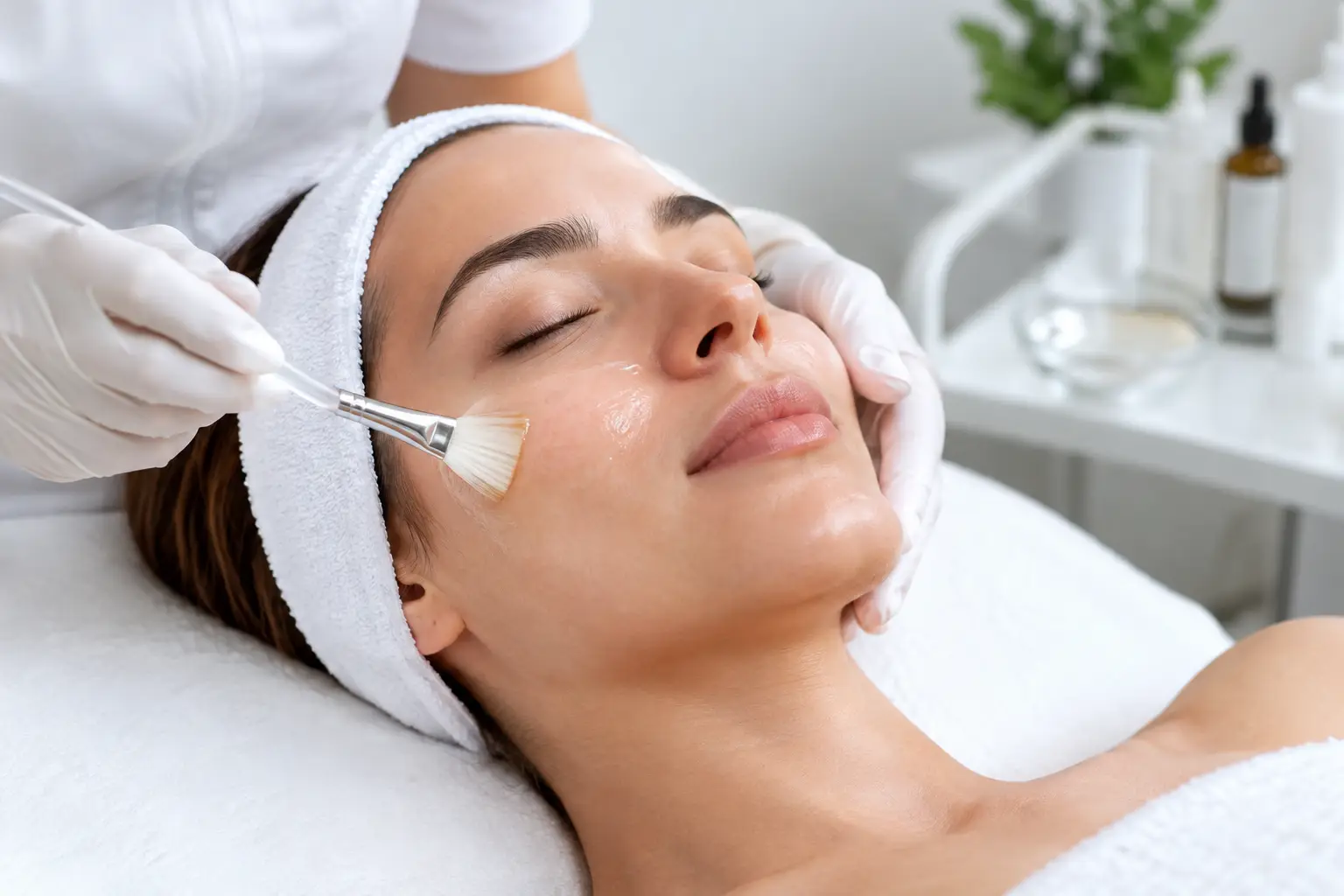
A dull, uneven complexion rarely has one simple cause. Sun exposure, acne, hormonal shifts, slowed cell turnover, and the natural aging process can all leave skin looking less refined than it feels. Chemical peels offer a clinically guided way to renew the surface of the skin, improving clarity, texture, and radiance while supporting a more polished, natural-looking appearance.
At The Skin Health Clinic, a peel is never treated as a one-size-fits-all facial. The right treatment depends on your skin type, concerns, current routine, tolerance for downtime, and the results you want to see over time. This personalized approach matters because effective rejuvenation should respect the health and resilience of your skin.
What Chemical Peels Can Do for Your Skin
Chemical peels use carefully selected acids or enzymes to loosen and remove damaged, dull surface cells. As those cells shed, fresher skin comes forward. Depending on the formulation and depth of treatment, a peel can also encourage collagen-supporting processes that contribute to smoother, firmer-looking skin over time.
Many clients choose peels to address fine lines, rough texture, enlarged-looking pores, post-acne marks, uneven pigmentation, sun-related discoloration, and persistent congestion. They can also be an elegant maintenance treatment for skin that simply looks tired or lacks its usual luminosity.
The visible benefit is often a brighter, more even complexion. The deeper value is that professional exfoliation can help create a healthier foundation for your medical-grade skincare routine. When excess buildup is reduced, the products selected for your skin may perform more effectively and makeup often applies more smoothly.
Results vary according to the concern being treated and the consistency of your plan. A single light peel can create a refreshed look before an event, while a series of treatments may be more appropriate for acne, uneven tone, or established textural concerns. Healthy skin is built gradually, not rushed.
Choosing the Right Chemical Peel
Peels are commonly described by depth: superficial, medium, and deep. That distinction is useful, but it does not tell the whole story. The specific acid, concentration, application method, skin preparation, and your own skin history all influence how a treatment feels and how much recovery it requires.
Superficial peels for ongoing radiance
Superficial peels work primarily on the outermost layer of skin. They may use alpha hydroxy acids, beta hydroxy acids, polyhydroxy acids, or other gentle exfoliating ingredients. These treatments are often well suited for dullness, mild congestion, early textural changes, and routine skin maintenance.
Recovery is typically minimal, though some clients experience temporary tightness, dryness, or light flaking. A superficial peel can be an excellent option for clients who want visible refinement with little disruption to work, social plans, or exercise routines. For more meaningful change, treatments are often performed as a customized series.
Medium-depth peels for more targeted correction
Medium-depth options reach further into the skin and may be considered for more noticeable discoloration, acne scarring, fine lines, or uneven texture. They generally involve a more deliberate recovery period, including visible peeling, sensitivity, and strict sun avoidance.
These treatments can be highly rewarding when appropriate, but they require thoughtful planning. Your provider will consider factors such as your skin tone, tendency toward hyperpigmentation, history of cold sores, active acne, medication use, and ability to follow aftercare instructions. The best peel is not necessarily the strongest one. It is the one that can deliver progress without compromising the skin barrier.
Deep peels require medical judgment
Deep peels are more intensive medical procedures with substantial downtime and specific safety considerations. They are not a casual add-on treatment. If a deeper intervention is appropriate, it should be discussed in detail with a qualified medical professional who can assess candidacy, recovery expectations, and alternatives.
For many clients, a strategic program of lighter or medium treatments, combined with professional skincare and other rejuvenation services, provides meaningful improvement with a more manageable lifestyle fit.
Your Consultation Sets the Standard
A premium peel experience begins before the solution touches your skin. During consultation, a licensed provider should assess your skin closely and ask about your concerns, previous treatments, skincare products, medications, allergies, and health history. This is especially important if you have a deeper skin tone, melasma, rosacea, eczema, or a history of post-inflammatory hyperpigmentation.
You may be asked to pause certain active ingredients before treatment, including retinoids, exfoliating acids, benzoyl peroxide, or prescription products. Do not stop prescribed medication without guidance from the clinician who prescribed it. Waxing, laser treatments, and other forms of exfoliation may also need to be scheduled carefully around a peel.
This level of preparation is not excessive. It is how a clinically guided treatment protects both your immediate result and your long-term skin health. Skin that is inflamed, over-exfoliated, or poorly prepared is less predictable and more vulnerable to unwanted irritation.
What to Expect During and After Treatment
Most professional peels begin with cleansing and skin preparation. Your provider applies the selected solution in controlled layers and monitors your response throughout the process. You may feel warmth, tingling, or brief stinging, depending on the formulation. A neutralizing step or soothing post-treatment care may follow.
Afterward, the skin can look mildly pink or feel tight, much like a light sunburn. Peeling may begin within a few days, although not every effective peel produces dramatic shedding. Avoid picking, scrubbing, or manually removing flakes. Doing so can cause irritation, prolong redness, and increase the risk of discoloration.
For the best recovery, keep your routine gentle. Use the cleanser, moisturizer, and barrier-supporting products recommended by your provider, and apply broad-spectrum sunscreen faithfully. Heat, intense workouts, steam rooms, direct sun, and exfoliating products may need to be avoided temporarily. Your exact instructions will reflect the peel you received and the condition of your skin.
A peel can create a beautiful reset, but it does not replace daily protection. UV exposure is one of the fastest ways to undermine gains in brightness and pigmentation, particularly after an exfoliating treatment. Consistent sunscreen is part of the treatment, not an optional extra.
Pairing Peels With a Long-Term Rejuvenation Plan
Chemical peels can stand alone, but they are often most effective within a broader skin strategy. For example, acne-prone skin may benefit from peel treatments alongside a carefully chosen home routine and nutrition-informed wellness support. Clients focused on fine lines and texture may combine peels with microneedling or other collagen-supporting treatments at intervals recommended by their provider.
Timing matters. Treatments that stimulate, exfoliate, or disrupt the skin barrier should not be stacked indiscriminately. A customized plan creates space for recovery and allows your provider to evaluate how your skin responds before adding another modality.
Internal wellness also deserves consideration. Sleep quality, hydration, stress, nutrition, and hormone changes can influence inflammation, healing, breakouts, and overall skin vitality. While a peel addresses visible concerns at the surface, lasting skin confidence is often supported by care that considers the individual as a whole.
When to Schedule a Consultation
If you are considering a peel for the first time, have struggled with discoloration after previous treatments, or are unsure whether a peel suits your current skin condition, begin with a professional assessment. This is particularly valuable before a wedding, vacation, or other major event, when timing and recovery need to be planned rather than guessed.
A thoughtful treatment plan should leave you feeling informed, cared for, and confident in the next step. With the right formulation, experienced oversight, and consistent aftercare, a chemical peel can become a refined part of your long-term approach to clearer, smoother, healthier-looking skin.