
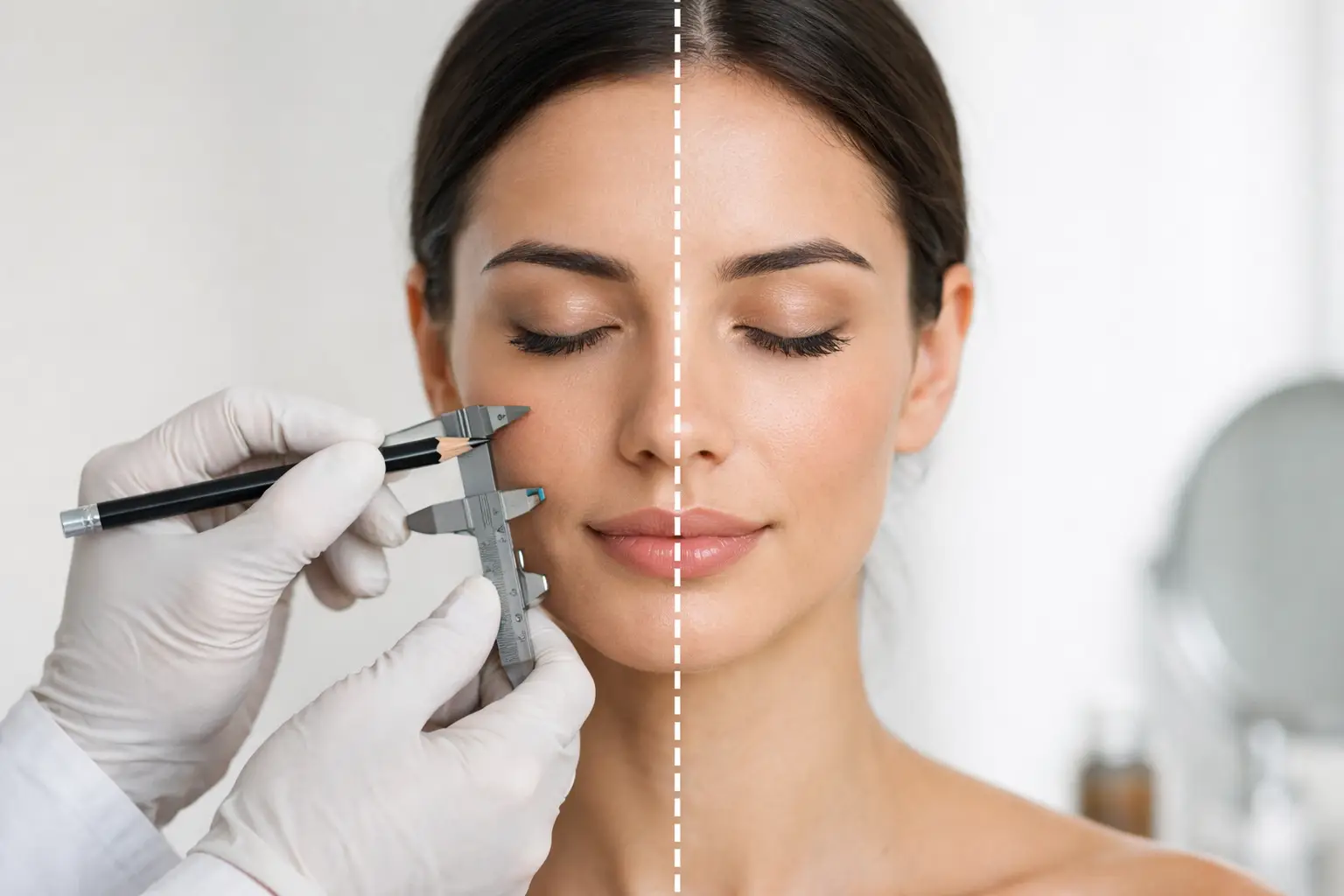
A well-rested, refreshed appearance rarely comes from changing one feature in isolation. The most beautiful results often come from understanding how the cheeks support the eyes, how the chin influences the profile, and how skin quality affects the way every contour is perceived. This guide to facial balancing explains the thoughtful, personalized approach behind results that look like you – simply more harmonious, supported, and revitalized.
What Facial Balancing Actually Means
Facial balancing is a customized aesthetic approach that considers the face as a whole rather than treating a single concern in isolation. It may involve strategically placed dermal filler, Botox, skin rejuvenation treatments, or a combination of services designed to improve proportion, symmetry, and structural support.
The goal is not to create a different face or pursue a trend-driven ideal. It is to honor your individual features while refining the relationships between them. A subtle chin enhancement, for example, may create more balance in the profile and make the jawline appear more defined. Restoring midface volume may soften the appearance of under-eye hollows without requiring treatment directly beneath the eyes.
True facial balance is also not identical to perfect symmetry. Nearly every face has natural differences from one side to the other. Skilled treatment respects those differences while reducing distractions that may make the face appear tired, drawn, or less proportionate than it feels.
Why a Full-Face Assessment Matters
Many patients arrive with a clear request: fuller lips, smoother lines, a sharper jawline, or less noticeable under-eye hollows. Those goals matter, but the best treatment plan begins one step earlier. A licensed provider assesses facial structure, skin quality, movement, volume distribution, and the way your features work together at rest and in expression.
Treating only the most visible concern can occasionally lead to an overdone or disconnected result. Adding volume to lips when the lower face lacks support, for instance, may make lips feel more prominent than intended. Similarly, repeatedly filling deep smile lines without addressing volume loss higher in the cheeks may not produce the soft, lifted effect a patient wants.
A comprehensive assessment also considers your age, lifestyle, existing treatments, and comfort level. Facial aging is not only about lines. Bone structure changes, fat pads shift, collagen production slows, and skin can become thinner or less resilient. The right plan responds to the causes of a concern, not just its surface appearance.
A Guide to Facial Balancing by Treatment Area
Facial balancing is never a fixed formula. Still, several areas frequently play an important role in creating natural-looking proportion.
Forehead, Brows, and Eyes
The upper face communicates energy, emotion, and approachability. Botox can soften expression lines in the forehead and between the brows while preserving movement when administered with precision. A subtle brow lift may help the eye area look more open, but the appropriate dose and placement depend on your anatomy and baseline brow position.
When the eyes look tired, the answer is not always under-eye filler. In some cases, restoring cheek support, improving skin texture, or addressing pigmentation creates a brighter result with less product and lower risk. The eye area requires particularly careful evaluation because it is delicate and highly visible.
Cheeks and Midface
The cheeks are a central source of facial support. Over time, volume loss in the midface can contribute to hollowing beneath the eyes, deeper folds around the mouth, and a less defined lower face. Thoughtfully placed dermal filler can restore gentle contour and improve the transitions between facial features.
The intention is not necessarily high, dramatic cheekbones. For many patients, the ideal outcome is a softer return of youthful structure that makes the face look less fatigued. Treatment should be tailored to your natural cheek shape, tissue quality, and desired level of enhancement.
Lips, Chin, and Jawline
Lips are often requested because even subtle hydration and definition can make the face appear refreshed. Yet lip treatment should be considered in relation to the chin, jawline, teeth, and overall lower-face proportion. A refined lip enhancement may be all that is needed, or it may be part of a broader plan that includes chin projection or jawline contouring.
Chin filler can create a meaningful change with a conservative amount of product. It may improve profile balance, lengthen a shortened lower face, or bring greater definition to the jawline. For patients who feel their nose appears prominent in profile, improving chin support can sometimes create more harmony without altering the nose itself.
Jawline treatment can define the transition from face to neck, though it is not the right choice for every person. Skin laxity, facial width, muscle activity, and bone structure all influence whether filler, Botox, collagen-stimulating treatments, or a different approach will be most appropriate.
The Role of Skin Quality in Facial Harmony
Balanced proportions are only part of a refreshed appearance. Dehydration, uneven tone, acne scarring, fine lines, and loss of radiance can make even well-supported facial features appear less vibrant. That is why facial balancing often benefits from a skin-first perspective.
Microneedling, PRP treatments, clinically selected skincare, and rejuvenation therapies can support collagen production, texture, and luminosity. These services do not replace structural treatment when volume loss is the concern, but they can improve how the skin reflects light and how naturally aesthetic results settle over time.
Internal wellness matters, too. Nutrition-guided vitamin protocols and professionally administered vitamin drip therapy may support hydration, recovery, and general vitality for appropriate candidates. They are not substitutes for medical care or a balanced diet, and they should never be presented as a shortcut to facial transformation. Used responsibly within a personalized wellness plan, they can complement a long-term commitment to skin health.
What Natural Results Look Like
Natural facial balancing should not announce itself. Friends may say you look rested, healthy, or somehow refreshed without identifying a single reason why. You should still recognize your expressions, your character, and the features that make your face distinctly yours.
That outcome depends on restraint as much as technique. More filler is not always better, and treatment does not need to happen all at once. A phased plan can be especially valuable for first-time patients, those with several concerns, or anyone who prefers to make gradual adjustments. It allows your provider to evaluate how each improvement settles before recommending the next step.
Results also vary by treatment. Botox generally takes several days to begin appearing and reaches its full effect in about two weeks. Dermal filler results are visible immediately, although mild swelling can temporarily affect the final look. Skin renewal treatments tend to develop more gradually as collagen remodeling and cellular turnover occur.
Safety and Choosing the Right Provider
Facial balancing requires more than a good eye. It requires a detailed understanding of facial anatomy, product selection, injection technique, and complication management. Choose a qualified, licensed medical professional who takes time to assess you in person, discuss risks, review your medical history, and explain why a treatment is or is not appropriate.
Be wary of standardized pricing menus that encourage treating the same areas for every patient, dramatic before-and-after promises, or pressure to add more product than you planned. A premium experience should feel considered, not rushed. You deserve clear recommendations, transparent aftercare instructions, and the space to ask questions.
Dermal fillers and Botox carry potential side effects and risks, including bruising, swelling, asymmetry, and, in rare cases, more serious complications. Your provider should discuss these openly and provide clear guidance on when to contact the clinic after treatment. Certain health conditions, medications, pregnancy, breastfeeding, and previous procedures may affect your options.
Building a Treatment Plan That Ages Well
The most sustainable aesthetic plans are built around maintenance, not constant correction. A provider may recommend beginning with the areas that deliver the greatest overall improvement, then reassessing after healing. For one person, that may mean restoring midface support before considering lips. For another, it may mean pairing wrinkle relaxation with a skin-quality program before any filler is needed.
At The Skin Health Clinic, this philosophy connects advanced aesthetic care with personalized support for skin health and lasting vitality. Your plan should evolve with your goals, your skin, and your life rather than following a predetermined schedule.
The right facial balancing plan should leave you feeling more like yourself when you catch your reflection: rested after a demanding season, confident before an important moment, and supported by care that sees the whole person behind every feature.