
A skincare routine can look impressive on a bathroom counter and still miss what your complexion actually needs. What is skin analysis? It is a professional evaluation of your skin’s current condition, concerns, patterns, and priorities, used to create a treatment plan that is personal, clinically informed, and realistic for your lifestyle.
At The Skin Health Clinic, skin analysis is not about assigning a label such as “dry” or “sensitive” and sending you home with a generic product. It is the foundation for thoughtful rejuvenation. By understanding what is happening at the surface and considering the internal factors that may influence skin performance, licensed professionals can recommend care that supports visible improvement and lasting skin health.
What Is Skin Analysis and Why Does It Matter?
Skin analysis is a structured consultation that examines the qualities of your skin and the concerns you would like to address. Depending on your needs, it may include a close visual assessment, a discussion of your medical and skincare history, and a review of lifestyle factors that can affect the skin, such as stress, sleep, nutrition, sun exposure, and hydration.
The purpose is not to chase perfection. It is to identify the most meaningful opportunities for improvement while respecting your facial anatomy, skin tone, sensitivity, goals, and comfort level. Fine lines, acne, uneven texture, redness, pigmentation, dehydration, and loss of facial volume can look similar at first glance, yet they often require very different approaches.
For example, skin that feels dry may be lacking oil, water, barrier support, or all three. Persistent breakouts may be influenced by product buildup, irritation, hormonal shifts, stress, or a routine that is simply too aggressive. Treating every concern with the strongest available treatment can compromise the skin barrier. A professional analysis helps prevent that cycle.
What a Professional Skin Analysis Looks For
A high-quality assessment considers more than a single concern in isolation. Your provider may evaluate the following areas together:
- Skin type and oil production, including whether the complexion is dry, oily, combination, or changing with the seasons
- Hydration and barrier function, which influence comfort, sensitivity, flaking, and recovery after treatment
- Texture, pores, congestion, acne activity, and the presence of acne scarring
- Fine lines, wrinkles, laxity, and changes in facial volume associated with aging
- Pigmentation, redness, visible vessels, and signs of accumulated sun exposure
This broader perspective matters because skin concerns frequently overlap. Someone with oily skin can also be dehydrated. A client seeking anti-aging support may also need to calm inflammation before pursuing more intensive resurfacing. A person with dullness may benefit from a refined skincare routine, nutritional support, or recovery-focused care before adding a clinical procedure.
Your provider will also look at where a concern appears and how it behaves. Breakouts concentrated along the lower face may suggest a different strategy than congestion across the forehead. Fine lines caused by repeated expression are evaluated differently than lines related to dehydration or volume loss. This is where experience, careful observation, and a personalized conversation make a meaningful difference.
Skin Analysis Is Not a Diagnosis
A skin analysis can provide valuable insight, but it does not replace medical diagnosis or dermatologic care. If your provider observes a changing mole, a suspicious lesion, severe acne, a rash, sudden hair loss, or another concern that requires medical investigation, referral to the appropriate medical professional is the responsible next step.
This distinction protects your health and keeps aesthetic treatment planning within the right scope. Premium care should always be grounded in safety, clear communication, and respect for your overall well-being.
Your Lifestyle Is Part of the Picture
Skin is a living organ, not a separate cosmetic project. It can reflect sleep disruption, high stress, smoking, excessive alcohol use, nutritional gaps, medication changes, hormonal transitions, and inconsistent sun protection. None of these factors tells the whole story, but they can influence inflammation, healing, collagen support, hydration, and the longevity of aesthetic results.
That is why an integrated approach can be so valuable. A well-designed plan may pair clinical treatments with medical-grade skincare, vitamin support, nutrition-guided protocols, and practical habits that make results easier to maintain. The goal is not to overwhelm you with an unrealistic regimen. It is to focus on the factors most likely to support your skin and your confidence.
For some clients, a simple routine and consistent sunscreen are the right first steps. For others, concerns such as texture, scarring, dynamic wrinkles, or volume loss may call for professionally administered options such as microneedling, PRP, neuromodulator treatment, or dermal fillers. The best recommendation depends on your skin, your health history, your desired level of change, and the time you can commit to recovery and maintenance.
What Happens During a Skin Analysis Appointment?
An effective appointment begins with listening. Your provider should ask what you see in the mirror, what you have already tried, what has or has not worked, and what natural-looking results mean to you. Be prepared to discuss current products, prescription medications, allergies, previous aesthetic treatments, skin reactions, and any upcoming events that could affect treatment timing.
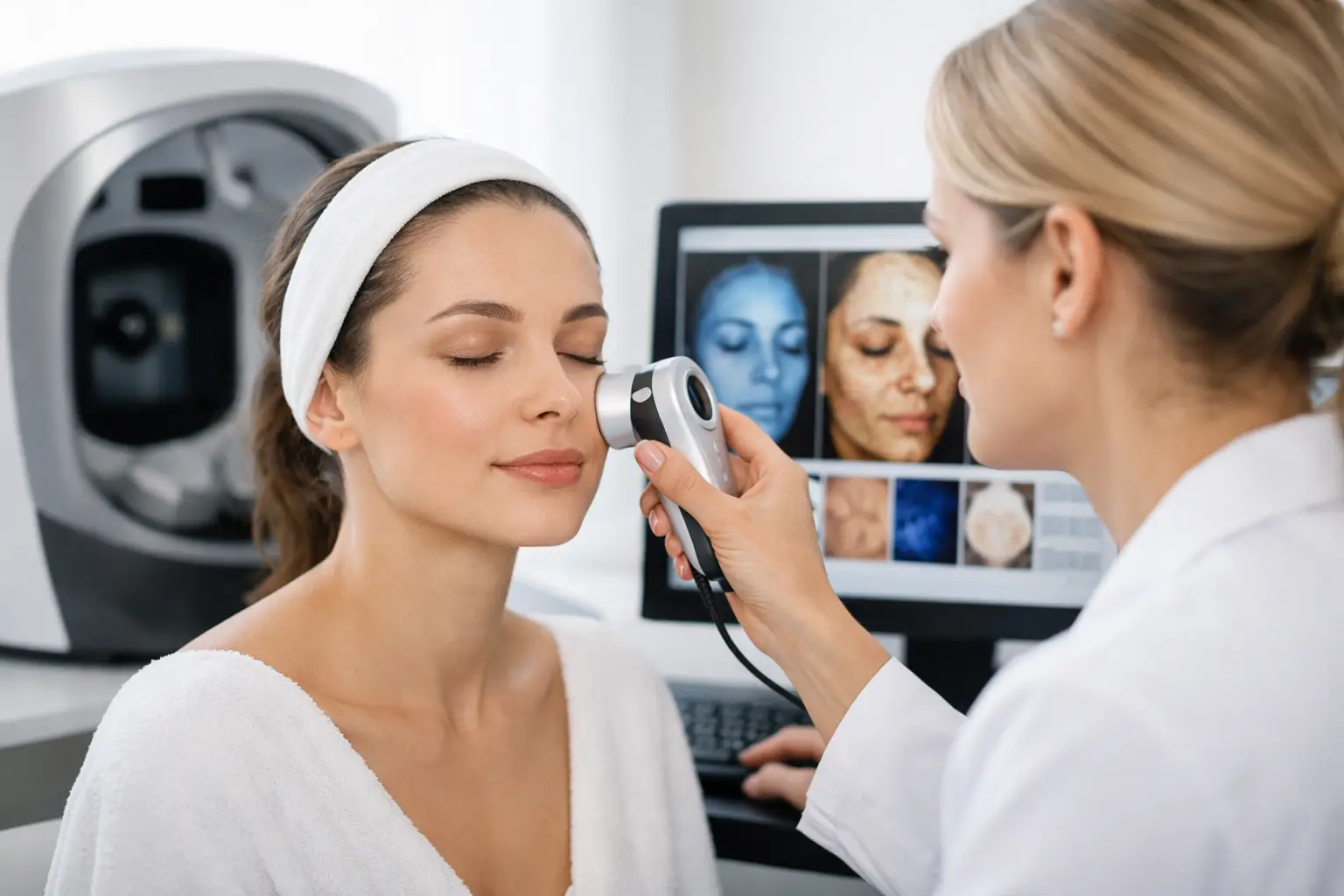
Next comes the assessment itself. Your provider examines the skin in appropriate lighting, evaluates areas of concern, and considers how your facial features work together. In some settings, specialized imaging or analysis technology may offer additional information about pigmentation, pores, texture, UV-related changes, or oil and hydration patterns. These tools can be helpful, but they are most valuable when interpreted by a qualified professional rather than treated as a final answer on their own.
You should leave with clarity, not pressure. A customized plan may include immediate recommendations, treatments to consider later, products that support your goals, and guidance on expected results, potential side effects, downtime, cost, and maintenance. If a proposed plan does not fit your schedule, budget, or preference for subtle change, it should be adjusted.
How Skin Analysis Guides Treatment Planning
The most elegant aesthetic results rarely come from doing everything at once. They come from sequencing care intelligently. Skin analysis helps determine what should happen first and what may be unnecessary.
If the barrier is compromised, rebuilding tolerance and hydration may come before exfoliation or microneedling. If active acne is present, controlling inflammation may be the priority before treating residual scars. If the primary concern is expression lines, a carefully placed neuromodulator treatment may provide more visible improvement than adding multiple skincare products. When volume loss changes facial balance, strategically placed filler may be considered, with an emphasis on proportion and natural movement.
This measured approach also supports safety. Certain treatments are not appropriate during pregnancy, while using specific medications, after recent procedures, or when the skin is irritated or healing. A thorough analysis gives your provider the context needed to make recommendations responsibly.
How to Prepare for Your Consultation
Come with a clear picture of your current routine, including cleansers, active ingredients, supplements, and any prescription products. If possible, arrive without heavy makeup so the skin can be evaluated accurately. Mention recent sun exposure, tanning, peels, injectables, or other treatments, even if they were performed elsewhere.
It also helps to think beyond one concern. Consider what would make you feel more confident: smoother texture, fewer breakouts, brighter tone, softer lines, improved hydration, or a more rested appearance. Sharing your priorities allows your provider to tailor the plan around outcomes that genuinely matter to you.
How Often Should You Have a Skin Analysis?
A skin analysis is particularly useful before beginning a new treatment plan, making a significant change to your skincare routine, or addressing a concern that has not responded to at-home care. Many clients benefit from reassessment as the seasons change, after a treatment series, or when their skin, hormones, health, or lifestyle shifts.
Your skin is not static. The plan that serves you well during a stressful season, after pregnancy, during acne treatment, or as signs of aging become more noticeable may need thoughtful adjustment over time.
Can an Analysis Help You Avoid Wasting Money on Skincare?
Yes. While no consultation can guarantee a specific result, professional guidance can help you stop layering products that work against each other or investing in treatments that do not address your primary concern. It can also identify when less is more. A focused routine used consistently often outperforms a crowded cabinet of expensive products.
A meaningful skin analysis gives you something more valuable than a trend-driven recommendation: a clear, individualized direction. When your care plan reflects both the visible needs of your skin and the life you live, rejuvenation becomes a sustainable act of self-investment rather than a series of guesses.