
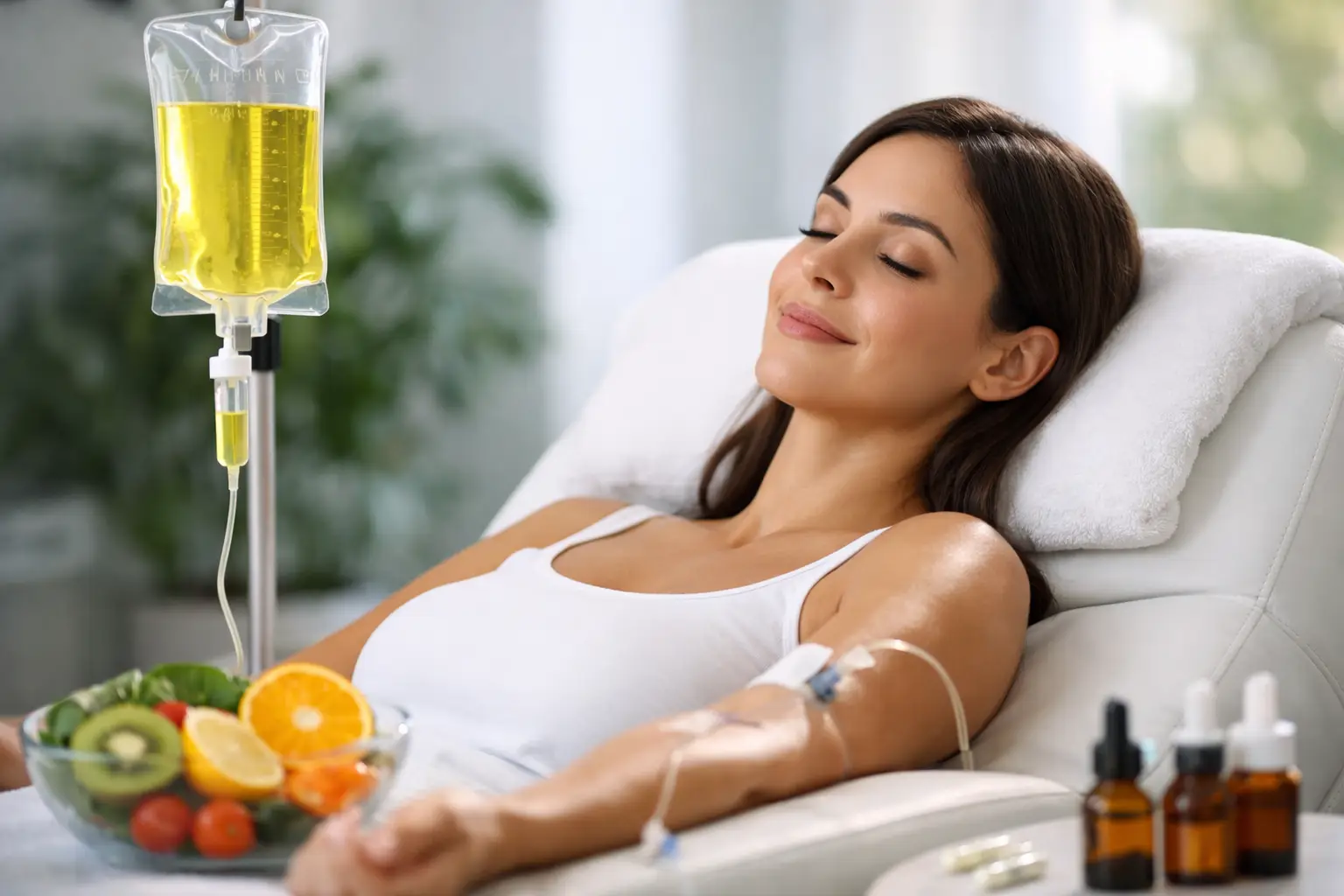
A demanding week can show up before you say a word: dullness that makeup cannot quite correct, persistent fatigue, dehydration after travel, or skin that seems slower to recover from stress. For clients who want a medically guided way to support their wellness from within, vitamin drip therapy benefits can be an appealing part of a broader self-care plan. The value is not in a one-size-fits-all infusion. It is in choosing the right formula, dose, and timing with licensed professionals who understand your health goals and your skin.
At The Skin Health Clinic, IV vitamin therapy is approached as personalized wellness care, not a quick fix. A thoughtful treatment plan considers your lifestyle, hydration habits, nutritional intake, aesthetic goals, medical history, and current concerns. That allows internal support to complement the treatments and skincare routine you already trust.
What Is Vitamin Drip Therapy?
Vitamin drip therapy, also called intravenous vitamin therapy, delivers a sterile fluid blend containing selected vitamins, minerals, electrolytes, and, in some cases, antioxidants directly into a vein. Because the infusion bypasses digestion, it may be useful for people who need hydration support or have difficulty meeting certain nutrient needs through food and oral supplements alone.
A session is typically performed in a calm clinical setting. After a consultation and health screening, a licensed provider places a small IV and monitors you throughout the infusion. Most appointments take between 30 and 60 minutes, depending on the formula and your individual plan.
IV therapy should not be framed as a replacement for balanced meals, sleep, movement, or medical care. Its most appropriate role is supportive: a tailored option that can sit alongside nutrition guidance, high-performance skincare, and evidence-based aesthetic treatments.
Vitamin Drip Therapy Benefits That Matter Most
The best results are personal. Someone recovering from frequent travel may prioritize hydration and replenishment, while someone focused on skin vitality may be more interested in antioxidant and nutrient support. These are some of the reasons clients include IV therapy in their wellness routine.
Hydration support when your routine has been demanding
Dehydration can affect how you feel and how you look. Long flights, intense workdays, heat exposure, exercise, alcohol, and illness can all make it more difficult to maintain fluid balance. An IV hydration treatment delivers fluids and electrolytes directly, which may help people who are mildly dehydrated feel more supported when oral intake is not enough or is not well tolerated.
For skin-conscious clients, hydration matters because well-hydrated skin often appears smoother, more comfortable, and more luminous. That does not mean an infusion will erase lines or replace skin treatments. Rather, it can support the healthy baseline that allows your skincare and rejuvenation plan to work at its best.
Support for energy and daily resilience
Fatigue has many possible causes, including poor sleep, stress, anemia, thyroid conditions, medication effects, infection, nutrient deficiencies, and burnout. A vitamin drip is not a diagnosis for low energy, and persistent or severe fatigue deserves medical evaluation.
When appropriate, selected B vitamins and hydration may support normal energy metabolism and help clients feel refreshed after periods of depletion. The practical benefit is often less about chasing a dramatic boost and more about creating a deliberate reset after travel, demanding schedules, or periods when self-care has slipped down the list.
Antioxidant support for skin wellness
Skin is continually exposed to oxidative stress from UV exposure, pollution, lifestyle factors, and normal metabolic processes. Antioxidants such as vitamin C play a role in protecting cells from oxidative damage and supporting collagen formation. These functions make them relevant to a comprehensive skin-health conversation.
Still, no IV formula should be presented as a stand-alone anti-aging treatment. Visible concerns such as fine lines, pigmentation, texture changes, acne scarring, and volume loss require an individualized approach. Depending on your needs, that may include medical-grade skincare, microneedling, PRP, neuromodulators, fillers, or other clinically appropriate therapies. Internal wellness support can be a valuable companion to these treatments, especially for clients committed to consistent skin maintenance.
Recovery support for active lifestyles
After an intense workout, travel day, social event, or draining week, hydration and electrolyte balance can feel harder to restore. Some clients choose vitamin drips as a recovery-focused ritual that encourages them to pause, rehydrate, and return to their wellness habits with intention.
The trade-off is worth understanding: recovery is still built on adequate nutrition, sleep, sensible training, and rest. An infusion may be a convenient adjunct, but it cannot compensate for chronic overtraining, severe dehydration, or a pattern of poor recovery. A credible wellness plan makes room for both clinical support and sustainable daily habits.
Why Personalization Changes the Experience
The formula that suits a healthy professional preparing for a busy travel schedule may not be right for a person with kidney disease, heart conditions, pregnancy, medication interactions, or a history of nutrient sensitivity. The same is true for dosage. More is not automatically better, particularly with vitamins and minerals that can create risks at high levels or in certain medical situations.
That is why a quality consultation should come before the drip. Your provider should ask about health conditions, medications, allergies, supplements, previous reactions, and your reasons for seeking treatment. In some cases, lab work, coordination with your primary care clinician, or an alternative wellness approach may be more appropriate.
Personalization also protects against disappointment. If your primary concern is facial volume loss, an IV treatment is unlikely to create the change you want. If your concern is chronic fatigue, the first priority may be identifying the underlying cause. Clear expectations are part of premium care. A well-designed vitamin protocol supports realistic goals rather than promising instant transformation.
Safety Comes Before Convenience
Vitamin drips are medical treatments, even when they are delivered in a relaxing setting. They should be administered by qualified, licensed professionals using sterile technique and clinically appropriate products. Before treatment, the provider should assess whether you are a suitable candidate and explain potential side effects.
Possible effects can include temporary bruising, discomfort at the IV site, a cool sensation during the infusion, headache, nausea, or lightheadedness. More serious complications, while less common, can include infection, vein irritation, fluid overload, allergic reactions, or problems related to specific ingredients. Risk varies based on the formula and your health status.
Be especially candid about kidney or heart disease, high blood pressure, diabetes, pregnancy or breastfeeding, medication use, and known allergies. If you develop chest pain, trouble breathing, swelling, fainting, or a severe reaction during or after an infusion, seek urgent medical care. A reputable clinic welcomes these conversations because safety is never an optional extra.
How IV Therapy Fits a Lasting Skin-Health Plan
The most refined approach to aesthetics looks beyond a single appointment. Skin quality is shaped by intrinsic aging, sun exposure, hormones, stress, nutrition, sleep, and the treatments you choose over time. Vitamin drip therapy can be one thoughtful layer of care for clients who want their outward results to reflect stronger internal habits.
For some, that may mean an occasional hydration infusion around travel or seasonal transitions. For others, it may mean pairing a customized drip with nutrition-guided supplements and a rejuvenation treatment schedule. Frequency should be based on your goals, response, budget, and provider guidance, not a rigid calendar or a social-media trend.
During your consultation, ask what ingredients are in the proposed formula, why each one is recommended, what results are realistic, and whether there are reasons to avoid it. You should leave with clarity, not pressure. The right plan feels considered, comfortable, and aligned with your long-term health.
A well-chosen infusion can be a restorative moment in a busy life, but its greatest value comes from the care surrounding it: attentive screening, personalized guidance, and a plan that helps you feel as well supported as you look.