
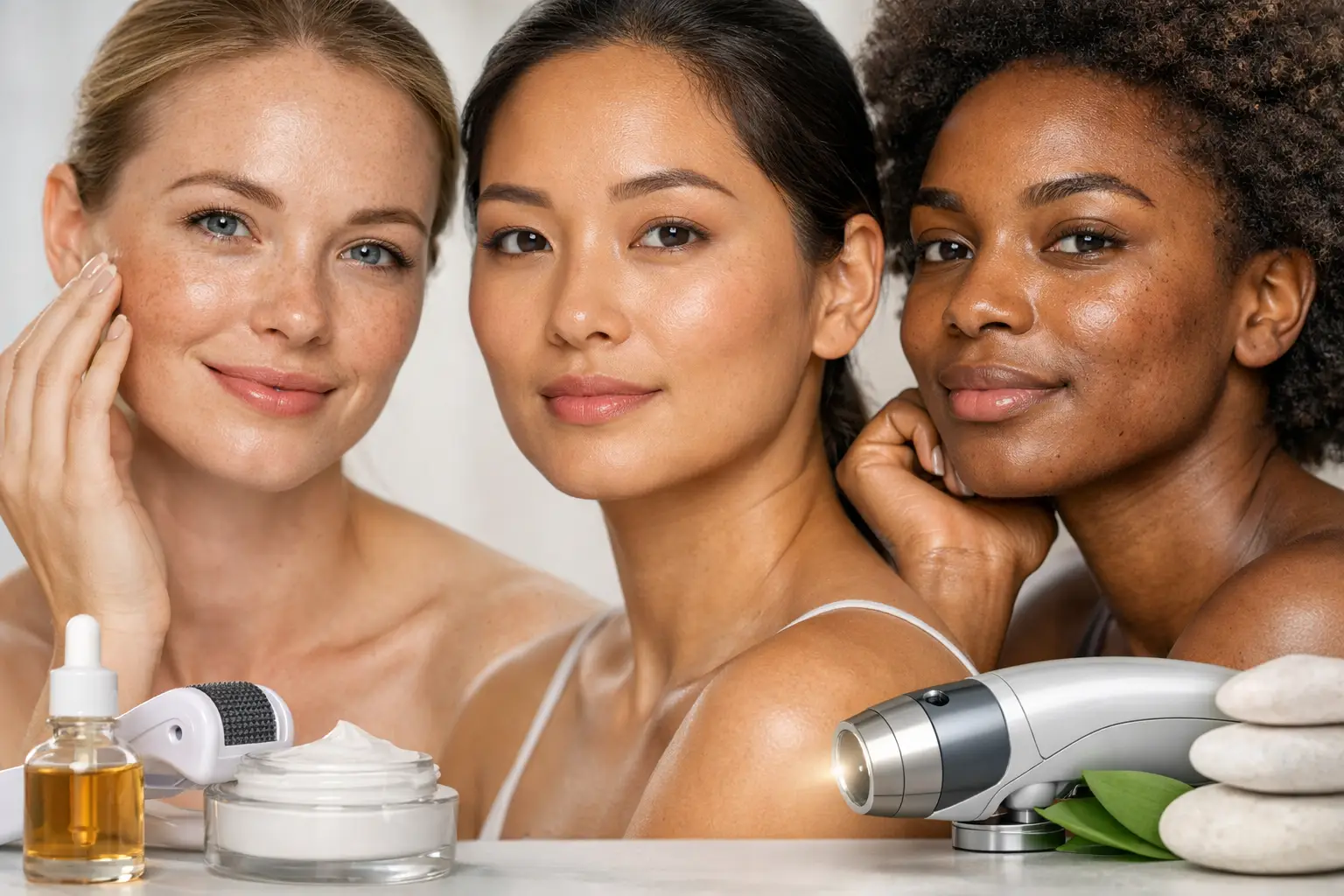
Texture concerns rarely come down to one issue. Enlarged pores, acne scarring, fine lines, roughness, dehydration, and loss of radiance can look similar in the mirror, yet they respond to very different approaches. The best treatment for skin texture is therefore not a single procedure. It is a personalized plan that identifies what is changing in your skin, supports its health from within, and uses science-backed treatments to encourage smoother, more refined renewal.
At The Skin Health Clinic, we approach texture as a marker of overall skin function, not simply a surface-level concern. A professional assessment allows licensed providers to look beyond a generic treatment menu and recommend care that aligns with your skin condition, goals, lifestyle, and tolerance for downtime.
What Causes Uneven Skin Texture?
Healthy skin has an organized surface, consistent hydration, and a steady cycle of cell turnover. Texture becomes more noticeable when one or more of those processes is disrupted. For some patients, the concern is genetic pore size and oil production. For others, it is collagen loss, sun exposure, past acne inflammation, or a compromised skin barrier.
Acne scars can create depressions that alter how light reflects off the face, making the skin appear less smooth even under makeup. Fine lines and crepey texture often develop as collagen, elastin, and hydration decline with age. Dullness and rough patches may be linked to slower cellular turnover, environmental exposure, or skincare that is too harsh for the skin barrier.
This distinction matters. A treatment that brightens dullness may not adequately address indented acne scars. Likewise, aggressive exfoliation can make dehydrated, reactive skin look and feel worse. The most elegant results begin with understanding the cause.
The Best Treatment for Skin Texture Depends on the Concern
For most patients, improvement comes from combining in-clinic rejuvenation with a carefully selected home regimen. The right approach should create visible refinement while preserving the skin’s natural integrity.
Microneedling for Collagen Support and Smoother Texture
Microneedling is one of the most versatile treatments for uneven texture, particularly when concerns include fine lines, enlarged pores, mild to moderate acne scarring, and loss of firmness. Controlled microchannels in the skin stimulate the body’s wound-healing response, encouraging collagen and elastin production over time.
This treatment is not an instant filter. Results develop gradually as the skin remodels, with many patients benefiting from a series of sessions. The payoff is subtle but meaningful: smoother-looking skin, a more refined surface, and a healthier quality that still looks like you.
Microneedling can be an excellent choice for patients who want clinical rejuvenation with relatively manageable downtime. However, active acne, certain inflammatory skin conditions, and recent sun exposure may require treatment to be postponed or adjusted.
PRP Microneedling for Enhanced Rejuvenation
For patients seeking a more elevated regenerative approach, platelet-rich plasma, or PRP, may be paired with microneedling. PRP is prepared from a small sample of your own blood and contains concentrated growth factors that support the skin’s natural repair processes.
When used alongside microneedling, PRP can be particularly appealing for concerns such as dullness, early signs of aging, and texture changes related to acne scarring or collagen loss. Because the treatment uses your own biological material, it offers a personalized way to support recovery and skin vitality.
PRP is not necessary for every texture concern, and it is not a substitute for a consistent skincare routine. It is best viewed as a strategic addition for patients who want to invest in long-term skin quality and natural-looking rejuvenation.
Professional Skincare for Roughness, Dullness, and Congestion
Not every texture issue requires a procedure. When the skin feels rough, looks congested, or has lost its glow, medical-grade skincare can make a substantial difference. The appropriate formula may support cell turnover, hydration, pigment balance, oil regulation, or barrier repair, depending on what your skin needs.
Retinoids, exfoliating acids, antioxidants, ceramides, and daily broad-spectrum sunscreen are often central to a texture-focused routine, but product selection and timing matter. Layering too many active ingredients can trigger redness, peeling, and sensitivity, especially when professional treatments are also part of the plan.
A customized regimen provides a more thoughtful path than chasing trending products. It also helps protect and extend the results of in-clinic care.
Botox and Fillers for Texture Changes Caused by Aging
Botox and dermal fillers do not resurface the skin in the way microneedling does, but they can play an important supporting role when texture is affected by facial movement, volume loss, and structural changes. Repeated expression can make fine lines appear etched into the skin, while loss of facial support can create shadows and creasing that exaggerate a textured appearance.
Neuromodulators such as Botox can soften dynamic lines by relaxing targeted facial muscles. Thoughtfully placed dermal filler can restore balance and support in areas where volume loss contributes to folds or a tired appearance. For the right patient, these treatments complement collagen-focused care and create a more rested, refined result.
The priority should always be restraint and precision. Natural results are achieved by respecting facial anatomy, not by overcorrecting it.
Why Internal Wellness Belongs in a Texture Plan
Skin is influenced by more than what happens in a treatment room. Hydration, nutritional status, sleep quality, stress, hormone shifts, and inflammation can all affect how the skin looks and recovers. This is especially relevant for patients whose texture concerns are accompanied by breakouts, dryness, sensitivity, or persistent dullness.
Nutrition-guided vitamin protocols and wellness support can help create the conditions for healthier skin function from within. Vitamin drip therapy may also be considered as part of a broader wellness strategy for appropriate candidates. These services are not replacements for dermatologic treatment or a balanced diet, but they can be valuable additions to a personalized plan focused on lasting vitality.
A whole-person approach is particularly beneficial because skin rejuvenation is a process. When the body is supported, patients may feel better equipped to maintain the habits that protect their treatment results.
What to Expect From a Personalized Treatment Plan
A high-quality consultation should begin with your history, not a sales pitch. Your provider should ask about acne, pigmentation, sensitivity, medications, previous procedures, skincare habits, lifestyle, and the timeline for your goals. They should also assess whether your concern is primarily textural, pigment-related, structural, or a combination.
From there, your plan may include a series of microneedling or PRP treatments, a medical-grade skincare protocol, and targeted injectables where appropriate. Some patients need a gentle barrier-first approach before beginning corrective treatments. Others are ready for a more active collagen-stimulating series. Both paths can be right when they are chosen with care.
Expect gradual, cumulative improvement rather than a dramatic overnight change. Collagen remodeling takes time, and skin often looks its best when treatments are paced appropriately. Consistency, sun protection, and professionally guided maintenance are what turn a short-term refresh into sustained skin health.
Choosing Care That Respects Your Skin
The best treatment for skin texture should leave you looking refreshed, not overtreated. It should account for your skin tone, sensitivity, medical history, and comfort with downtime. Most importantly, it should be delivered by licensed professionals who understand how to balance clinical efficacy with safety and natural-looking outcomes.
Your skin does not need a one-size-fits-all solution. It needs an informed strategy, a measured pace, and care that supports the confidence you want to see reflected back in the mirror. A personalized consultation is the right place to begin that conversation.