
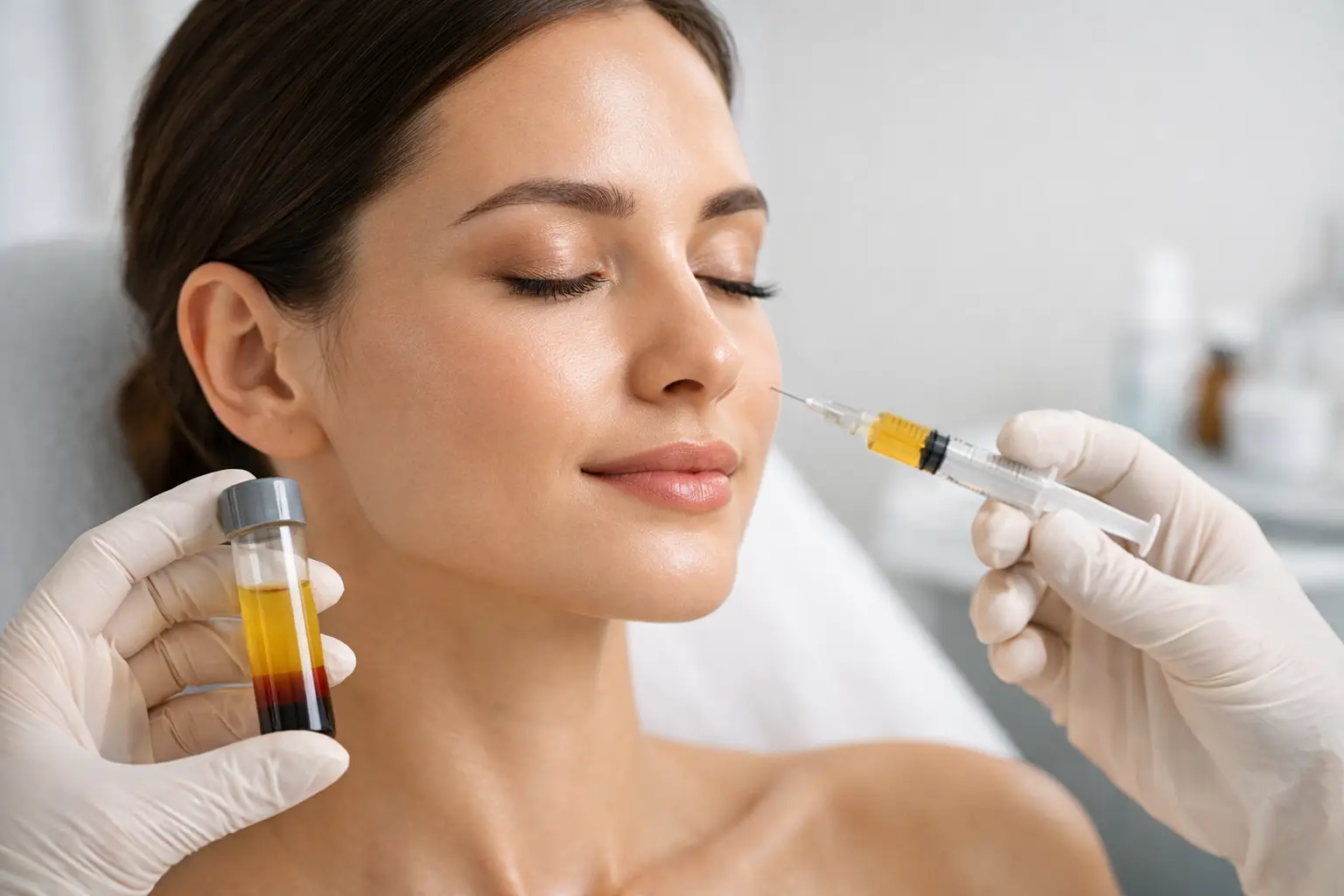
Skin texture rarely changes for just one reason. Fine lines, enlarged pores, acne scarring, dullness, and a crepey surface can reflect collagen loss, sun exposure, inflammation, lifestyle factors, and the natural pace of cellular renewal. Understanding how PRP improves skin texture begins with recognizing that it works with your own biology to encourage healthier-looking skin from within.
Platelet-rich plasma, or PRP, is a regenerative treatment created from a small sample of your own blood. After the sample is processed, the platelet-rich portion is carefully applied or injected by a licensed professional, often alongside microneedling. The goal is not to artificially change the face. It is to support natural repair processes that can improve smoothness, luminosity, and overall skin quality over time.
How PRP Improves Skin Texture at a Cellular Level
Platelets contain signaling proteins known as growth factors. In the body, these signals help coordinate tissue repair. When platelet-rich plasma is introduced into targeted areas of the skin, it may encourage fibroblasts, the cells involved in collagen and elastin production, to become more active.
Collagen gives skin much of its firmness and structure, while elastin supports flexibility and resilience. As these supportive proteins decline with age and environmental exposure, the skin may begin to look thinner, less even, and less refined. PRP does not create an overnight surface-level effect. Instead, it supports a gradual rebuilding process that can make the skin appear smoother and more refreshed.
This regenerative approach is particularly appealing for patients who want visible rejuvenation without an overfilled or dramatically altered appearance. Results are typically subtle at first, then continue to develop as the skin responds over the following weeks and months.
What Skin Concerns Can PRP Address?
PRP is often selected for its ability to improve the overall quality of the skin rather than treat a single concern in isolation. A customized treatment plan may use PRP to support concerns such as fine lines, uneven texture, early laxity, dull or fatigued-looking skin, enlarged pores, and certain types of acne scarring.
For acne scars, results depend on the scar type, depth, and the amount of tethering beneath the skin. PRP may help improve the look of shallow, rolling, or textural scars, especially when paired with microneedling. Deep ice-pick scars or significant scar bands may require another clinical approach in addition to PRP. An experienced provider can assess what will make the most meaningful difference rather than promising a one-treatment solution.
PRP can also be a thoughtful option for the delicate under-eye area, where thin skin and a tired appearance are common concerns. However, this area requires precise assessment. Volume loss, pigment, fluid retention, and skin texture can each contribute to dark circles, and PRP is not the right answer for every cause.
Why PRP and Microneedling Work So Well Together
Microneedling creates controlled microchannels in the skin, initiating a measured healing response. When PRP is applied during or after the treatment, those channels may help the platelet-rich plasma reach the areas where it can support repair.
The pairing is popular because each treatment contributes something distinct. Microneedling addresses the skin through controlled stimulation, while PRP adds a concentrated source of your own platelet-derived growth factors. Together, they can be especially effective for patients looking to improve rough texture, soften the appearance of pores, and restore a more even, healthy-looking glow.
That said, combination treatment is not automatically necessary. Patients with very reactive skin, active inflammatory acne, certain skin conditions, or a limited recovery window may benefit from a different schedule or treatment selection. Premium care should never mean pushing more procedures than your skin needs. It means choosing the right intervention, at the right intensity, for your goals.
What a PRP Skin Treatment Feels Like
Your appointment should begin with a detailed consultation, including a review of your skin history, current products, medical considerations, and desired outcome. A small blood draw is performed, and the sample is placed in a centrifuge to separate the platelet-rich plasma.
Depending on your plan, your provider may use PRP with microneedling, inject it into select areas, or recommend a combination approach. Topical numbing cream is commonly used for microneedling to keep the experience comfortable. Most patients describe a sensation of pressure, vibration, or mild heat rather than significant pain.
Immediately afterward, the skin may look flushed and feel warm, similar to a mild sunburn. Redness is often most noticeable for the first day or two, though recovery varies by treatment intensity and individual sensitivity. Some dryness, tightness, or light flaking can occur as the skin settles.
When Will You See Smoother Skin?
PRP is a collagen-supporting treatment, so patience is part of the process. Many patients notice an early glow and a more hydrated appearance within the first few days. More meaningful improvements in texture generally emerge over four to eight weeks as the skin’s remodeling process progresses.
For concerns such as acne scarring, pronounced texture, or visible pore irregularity, a series is often recommended. Three treatments spaced several weeks apart is common, although the ideal number and interval depend on your skin condition, treatment method, and response. Maintenance sessions may help preserve results as part of a long-term skin health plan.
The changes should look like you, only more rested and refined. PRP is best understood as an investment in skin quality, not a substitute for daily sun protection, a thoughtful home-care routine, or clinically appropriate treatments for more advanced concerns.
Safety, Suitability, and Personalized Care
Because PRP is derived from your own blood, the risk of an allergic reaction is low. Still, PRP is a medical treatment and should be performed by trained, licensed professionals using appropriate collection, preparation, and sterile techniques.
Not everyone is an ideal candidate at every moment. Active skin infections, certain blood or platelet disorders, pregnancy or nursing, use of particular medications, and uncontrolled medical conditions may affect whether treatment is appropriate. Your provider should also discuss supplements, skin care actives, and medications that could influence bruising, healing, or sensitivity.
A personalized plan matters just as much after the appointment. Gentle skin care, daily broad-spectrum sunscreen, adequate hydration, quality sleep, and nutrition that supports overall wellness can all influence how your skin looks and recovers. At The Skin Health Clinic, skin rejuvenation is viewed through this broader lens: advanced aesthetic care is most powerful when it is supported by the habits that sustain lasting health.
Is PRP Worth It for Skin Texture?
PRP may be worth considering if your goal is natural-looking improvement in texture and radiance, particularly if you prefer a treatment that uses your body’s own regenerative components. It is not the fastest path to a dramatic change, and it cannot erase every scar or replace lost facial volume. Its strength lies in gradual, credible improvement that respects your features.
The best next step is a professional skin analysis and consultation. With the right diagnosis, realistic expectations, and a plan tailored to your skin, PRP can become more than a treatment for a rough surface. It can be a meaningful part of caring for skin that looks healthy, resilient, and confidently yours.