
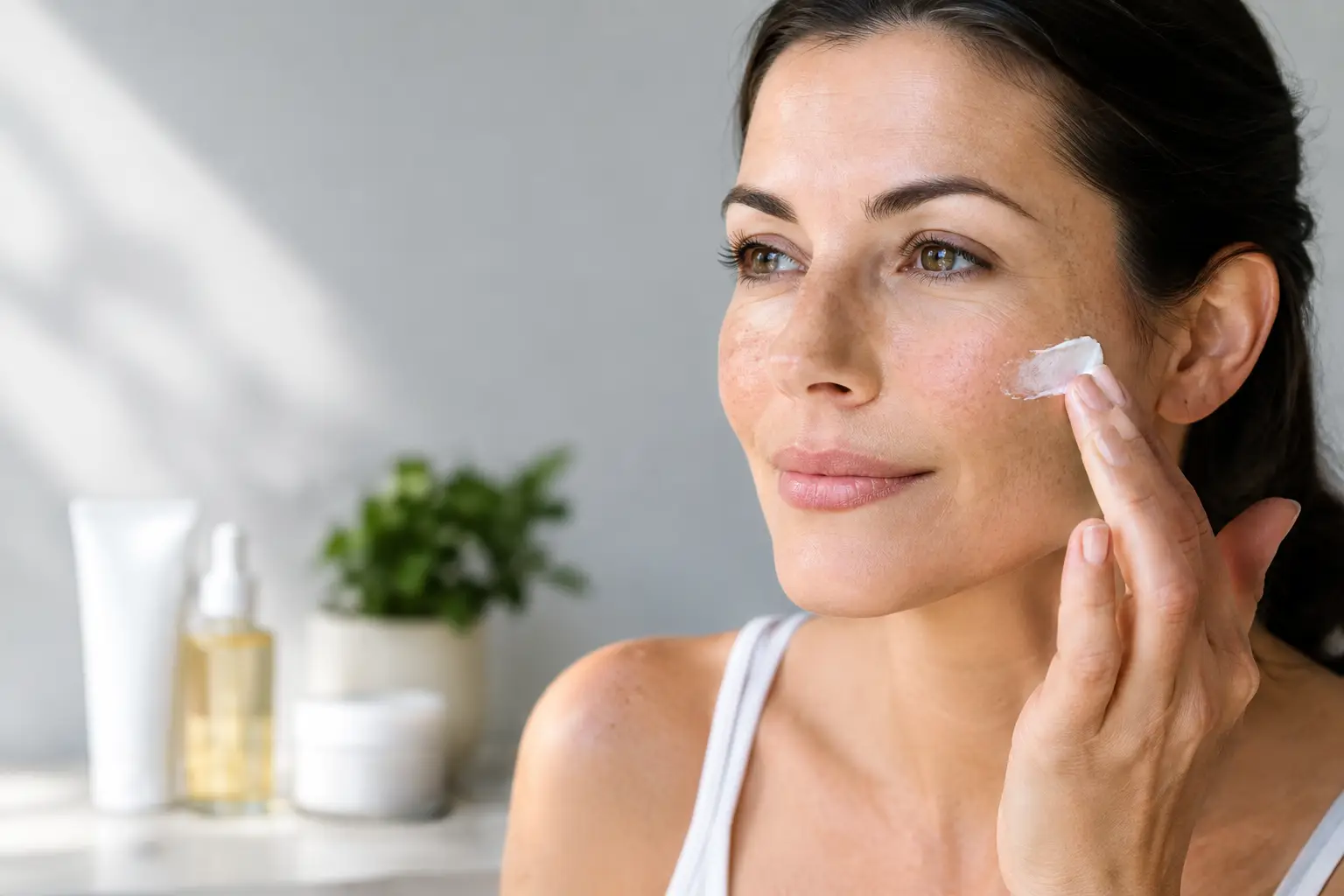
A summer of pool days, driving with the windows down, or years of incidental exposure can leave a visible record on the skin: brown spots, uneven tone, rough texture, fine lines, redness, and a complexion that no longer reflects how well you feel. The best treatments for sun damage do not rely on one aggressive fix. They pair clinically appropriate rejuvenation with daily protection and a personalized plan that respects your skin’s barrier, pigment response, and long-term health.
Sun damage is not limited to a dramatic sunburn. Ultraviolet exposure gradually affects collagen, elastin, blood vessels, and pigment-producing cells. That is why two people with similar sun histories may need very different treatment plans. One may be most concerned by discoloration, while another sees crepey texture, enlarged pores, or lines that persist even when the face is relaxed.
Why Sun Damage Needs a Personalized Approach
Photoaging is cumulative, and treatment works best when the concern is identified precisely. Superficial dullness and mild uneven tone may improve with professional skincare and thoughtful exfoliation. More established pigment, textural change, and collagen loss usually require an in-clinic strategy to create meaningful improvement.
A professional skin analysis helps distinguish between concerns that can look similar in the mirror. For example, brown patches may be sun spots, but they can also be melasma, post-inflammatory hyperpigmentation, or a combination of several pigment concerns. Treating every dark spot the same way can worsen sensitivity or trigger additional discoloration, particularly in melanin-rich skin.
The goal is not to erase every sign of time or create an artificial finish. It is to restore clearer tone, smoother texture, firmer-looking skin, and a rested, healthy luminosity that still looks like you.
Best Treatments for Sun Damage in a Clinical Plan
Medical-grade skincare for pigment, texture, and prevention
A sophisticated home regimen is the foundation of every successful sun damage plan. Medical-grade formulas can support cell turnover, improve the appearance of discoloration, reinforce the skin barrier, and help preserve the results of professional treatments.
Retinoids are often valuable for fine lines, uneven texture, and collagen support, but they must be introduced gradually. Vitamin C can provide antioxidant support and brighten the look of dull skin, while carefully selected pigment-correcting ingredients may help fade the appearance of sun spots. Hydrating ingredients and barrier-supportive moisturizers matter just as much, especially when active ingredients are part of the routine.
This is not a case where more products mean better skin. Over-exfoliating or layering multiple strong actives can lead to irritation, flaking, and inflammation, which may make pigmentation more noticeable. A tailored routine delivers more refined results than a crowded bathroom shelf.
Microneedling for textural sun damage
Microneedling uses controlled microchannels to encourage the skin’s natural repair response. It is particularly well suited to concerns such as rough texture, fine lines, enlarged pores, and early loss of firmness associated with chronic sun exposure.
Because collagen remodeling takes time, microneedling is generally performed as a series rather than a one-time service. Patients often appreciate that the changes develop gradually, creating a refreshed appearance without abruptly changing facial character. Mild redness is common after treatment, and diligent aftercare is essential while the skin recovers.
Microneedling is not the right first choice for every type of pigmentation. When melasma or active inflammation is present, your provider may recommend stabilizing the skin before beginning a procedure series.
PRP to support rejuvenation
Platelet-rich plasma, or PRP, uses components from your own blood that are concentrated and applied or introduced during treatment according to your provider’s protocol. When paired with microneedling, PRP can complement the skin’s recovery process and support a more luminous, revitalized appearance.
PRP is especially appealing to patients seeking a regenerative approach to early photoaging, dullness, and texture. Results vary based on age, skin quality, lifestyle, and the extent of damage, so it should be viewed as part of a wider plan rather than a substitute for sun protection or corrective skincare.
Rejuvenation therapies for deeper concerns
For more established sun damage, a licensed provider may recommend advanced rejuvenation therapies designed to address concerns at a deeper level. The ideal choice depends on the depth of pigment, degree of textural change, skin tone, healing history, and the amount of downtime you can accommodate.
Some treatments target visible redness or pigment more directly, while others focus on resurfacing and collagen stimulation. A more intensive approach can produce a more noticeable change, but it may also involve greater peeling, redness, temporary sensitivity, and a longer recovery period. A premium treatment plan is not about choosing the strongest option. It is about selecting the approach that offers the best balance of results, safety, comfort, and recovery for your skin.
Botox and fillers for sun-related aging changes
Sun damage does not only show up as spots. Repeated UV exposure accelerates collagen breakdown, which can make lines appear more pronounced and contribute to a less supported facial appearance over time.
Neuromodulator treatments such as Botox can soften the look of dynamic lines, including forehead lines and crow’s feet, when appropriate. Dermal fillers may restore carefully selected areas of volume loss or structural support. Neither treatment removes pigment or repairs sun damage directly, but both can be valuable within a comprehensive facial rejuvenation plan. The most elegant results are subtle, balanced, and customized to your anatomy.
What to Expect From Treatment and Recovery
Visible improvement rarely follows a straight line. Pigment may temporarily appear darker as it rises toward the surface. Collagen-focused treatments often require several months for fuller results to emerge. A home-care routine may need adjustment as your skin adapts.
Your provider should explain what will happen before, during, and after treatment, including realistic timelines and potential side effects. Be candid about a history of cold sores, pigmentation changes after injury, pregnancy or breastfeeding, prescription medications, recent tanning, and prior cosmetic procedures. These details help determine what is safe and appropriate.
Avoid scheduling a significant treatment immediately before a beach vacation, wedding, or professional event unless you have discussed the recovery timeline. Great results benefit from thoughtful timing.
The Non-Negotiable Step: Daily Sun Protection
No clinical treatment can outpace ongoing UV exposure. Broad-spectrum sunscreen with SPF 30 or higher is the daily standard, applied generously to the face, neck, chest, and other exposed areas. Reapplication matters when you are outdoors, sweating, swimming, or sitting near a sunny window for extended periods.
Protective clothing, hats, sunglasses, and shade add meaningful support, particularly after treatments that increase sensitivity. Many patients find that tinted mineral sunscreen offers the added benefit of helping protect against visible light, which can be relevant for certain types of hyperpigmentation.
This step is not simply preventative. Consistent protection helps maintain the clarity, smoothness, and even tone you invest in through professional care.
Support Skin Recovery From the Inside Out
Skin responds to more than what is applied on the surface. Sleep quality, hydration, stress, smoking, alcohol intake, and nutritional status can all influence inflammation, healing, and the skin’s overall appearance. A balanced, protein-rich diet with colorful produce and healthy fats supports the body’s natural repair processes, while targeted vitamin protocols may be appropriate for some patients following an individual assessment.
Wellness support should complement, not replace, medical skincare and professional treatment. The most lasting approach connects clinical rejuvenation with habits that allow your skin to recover and perform at its best.
At The Skin Health Clinic, treatment planning begins with your actual skin, your lifestyle, and the outcome you want to see. A well-designed plan can be conservative or more corrective, but it should always feel informed, comfortable, and aligned with your definition of natural-looking rejuvenation.
Your skin does not need a punishing reset. It needs consistent, expert-led care that makes each season ahead a little easier to face with confidence.