
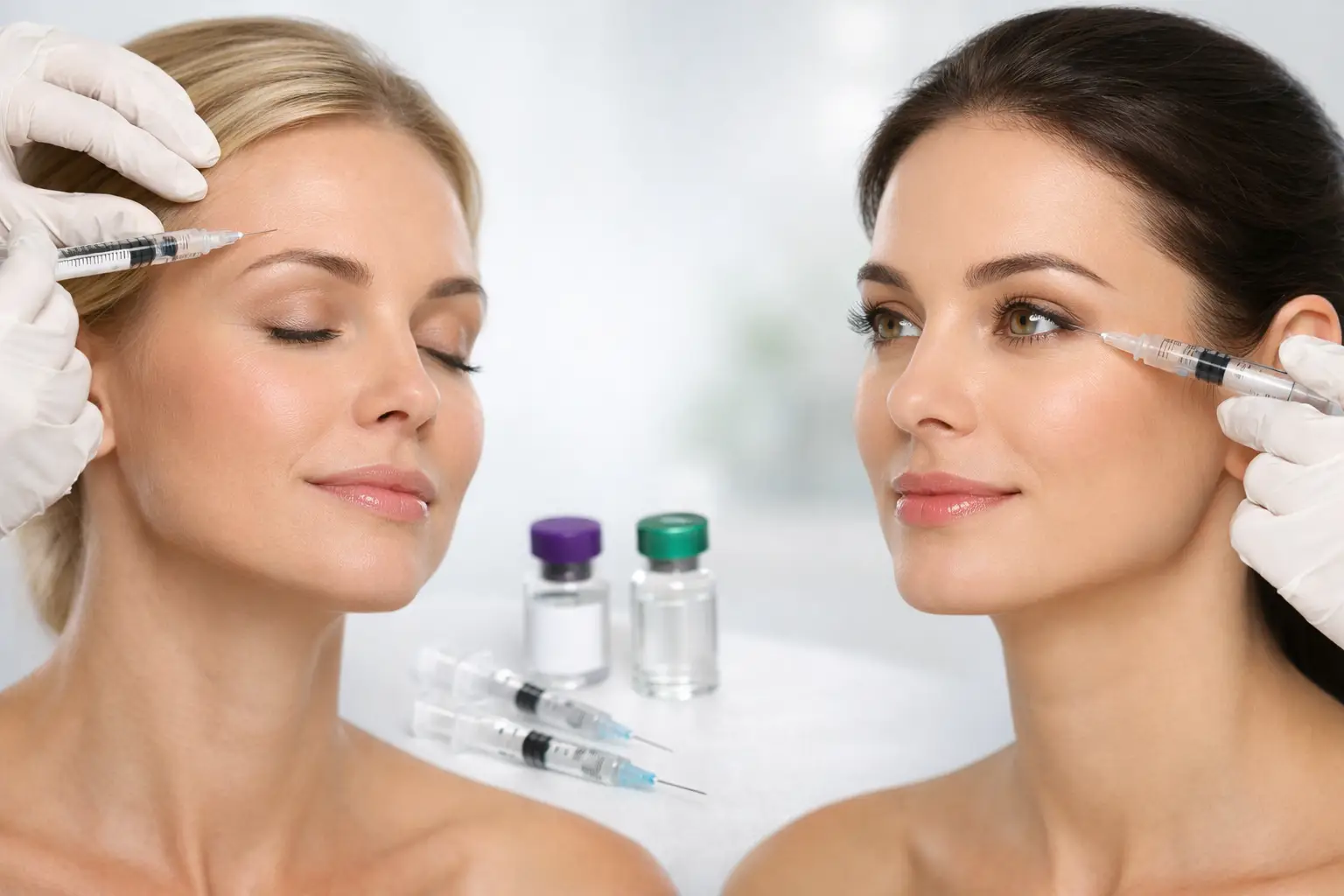
A softened frown line can make the whole face appear more rested, even when nothing else about your features has changed. That is why the choice of botox versus dysport is not simply about selecting a brand. It is about choosing a treatment approach that respects your facial movement, skin quality, goals, and preference for natural-looking rejuvenation.
Both Botox Cosmetic and Dysport are trusted injectable neuromodulators used to relax targeted facial muscles. When administered by a licensed, experienced provider, each can reduce the appearance of expression lines while preserving the character and balance that make your face uniquely yours. The better option depends on the area being treated, how your muscles move, your treatment history, and the personalized plan created during consultation.
Botox Versus Dysport: The Essential Difference
Botox Cosmetic and Dysport are both prescription treatments made from botulinum toxin type A. They work by temporarily limiting the nerve signals that tell specific muscles to contract. When those repeated contractions soften, dynamic lines such as frown lines, forehead lines, and crow’s feet become less visible.
The treatments are clinically similar in purpose, but they are formulated differently and measured in different units. Dysport has a smaller protein complex and is often described as having a broader diffusion pattern once injected. Botox Cosmetic may offer a more contained effect in certain areas. Neither characteristic makes one product universally superior. In skilled hands, both can be used with precision.
The distinction matters because facial anatomy is never one-size-fits-all. A provider may consider Dysport for a larger, stronger treatment area, such as the glabella between the brows. Botox Cosmetic may be selected when a highly targeted adjustment is desired. Your provider may also recommend one based on what has performed best for you in the past.
Unit Numbers Are Not Equivalent
One of the most common points of confusion is dosing. Dysport units and Botox Cosmetic units cannot be compared one for one. A treatment with more Dysport units does not mean you are receiving a stronger treatment or more toxin than a Botox Cosmetic appointment.
Each product has its own dosing scale, FDA-approved guidance, and clinical technique. What matters is the appropriate dose for your individual muscle strength, movement pattern, and desired result. A thoughtful provider treats the face, not a number on a treatment menu.
How Quickly Do Results Appear?
Many clients choose between these treatments based on timing. Dysport may begin to show visible changes within two to three days for some patients, while Botox Cosmetic commonly begins to take effect within several days. Both treatments generally continue to settle over the following one to two weeks.
That difference can be useful if you are planning for a wedding, professional event, or important photographs. Still, a fast onset should not be the only deciding factor. The best treatment plan allows adequate time for your final result to develop and for a follow-up assessment if adjustments are clinically appropriate.
For first-time patients, scheduling well ahead of a major event is especially wise. This gives you time to understand how your face responds and to build future appointments around the rhythm that feels right for you.
Does Dysport Last Longer Than Botox?
Botox Cosmetic and Dysport typically provide results for about three to four months. Some clients find their results last a little longer, while others notice movement returning sooner. Your metabolism, muscle activity, dosage, treatment area, exercise habits, and consistency with appointments can all influence longevity.
It is tempting to look for one product that lasts longer for everyone, but real outcomes are more nuanced. A patient with very strong frown muscles may need a different dosing strategy than someone seeking subtle maintenance of early expression lines. The product is only one part of the result. Precise placement and a well-calibrated dose are just as influential.
With regular, professionally planned treatments, many patients find that maintaining their results becomes easier over time. This does not mean the effect is permanent. It means ongoing care can help prevent deeper expression lines from becoming more established.
Diffusion, Precision, and Natural Facial Movement
“Diffusion” refers to how a neuromodulator spreads from the injection point into nearby tissue. Dysport is often considered to diffuse more broadly than Botox Cosmetic, which can be an advantage when treating a wider area efficiently. For example, some providers favor it for the glabellar complex, where several muscles contribute to the appearance of vertical frown lines.
Yet broader diffusion is not automatically better. Around areas requiring meticulous control, such as parts of the brow or lower face, your provider may prefer a strategy that prioritizes contained placement. This is where medical artistry matters. The goal is not to erase every movement. It is to soften the movements that create unwanted lines while protecting expression, symmetry, and facial harmony.
A premium aesthetic plan should also consider the condition of your skin. Neuromodulators improve lines caused by muscle movement, but they do not replace lost volume, correct all texture concerns, or fully address static wrinkles that remain at rest. Depending on your goals, your provider may discuss complementary options such as medical-grade skincare, microneedling, PRP, or restorative treatments designed to support collagen and overall skin vitality.
Safety and Side Effects to Consider
Both Botox Cosmetic and Dysport have well-established safety profiles when prescribed appropriately and administered by qualified medical professionals. A consultation should include your health history, medications, prior injectable experience, allergies, and aesthetic goals. You should also disclose if you are pregnant or breastfeeding, have a neurological condition, have an active skin infection at the treatment site, or have had a previous reaction to a neuromodulator.
Common short-term effects can include minor redness, swelling, tenderness, bruising, or a mild headache. These usually resolve quickly. More significant effects are uncommon but can occur, particularly when injections are placed incorrectly or post-treatment guidance is not followed. This is why treatment should never be reduced to a quick, transactional appointment.
For the first several hours after your injections, your provider may advise you to remain upright, avoid rubbing or massaging treated areas, and postpone strenuous exercise. Recommendations vary according to your treatment and medical history, so follow the specific aftercare instructions you receive.
Which Treatment Is Right for You?
The best choice is often the one your provider can use most strategically for your face. Botox Cosmetic may be an excellent fit for patients who have responded well to it previously, prefer a particular treatment experience, or need a highly customized approach in a precise area. Dysport may appeal to those who want potentially earlier visible results or are treating broader areas of strong muscle activity.
Cost should be considered in context as well. Because the unit scales differ, comparing price per unit does not provide a meaningful value comparison. Instead, ask about the total treatment plan, the provider’s experience, the expected result, and how the approach supports your long-term goals. An expertly designed treatment should feel like an investment in confident, refreshed appearance rather than a race to the lowest price.
At The Skin Health Clinic, consultations are designed to look beyond the line you want to soften. We consider facial anatomy, skin health, lifestyle, and the treatments that may best support lasting radiance. Whether Botox Cosmetic or Dysport is the right fit, your plan should be grounded in science-backed care and delivered with restraint, precision, and your natural beauty in mind.
The most rewarding result is not one that announces you had an injectable treatment. It is the moment you look in the mirror and see a rested, polished version of yourself that still moves, smiles, and feels entirely like you.