
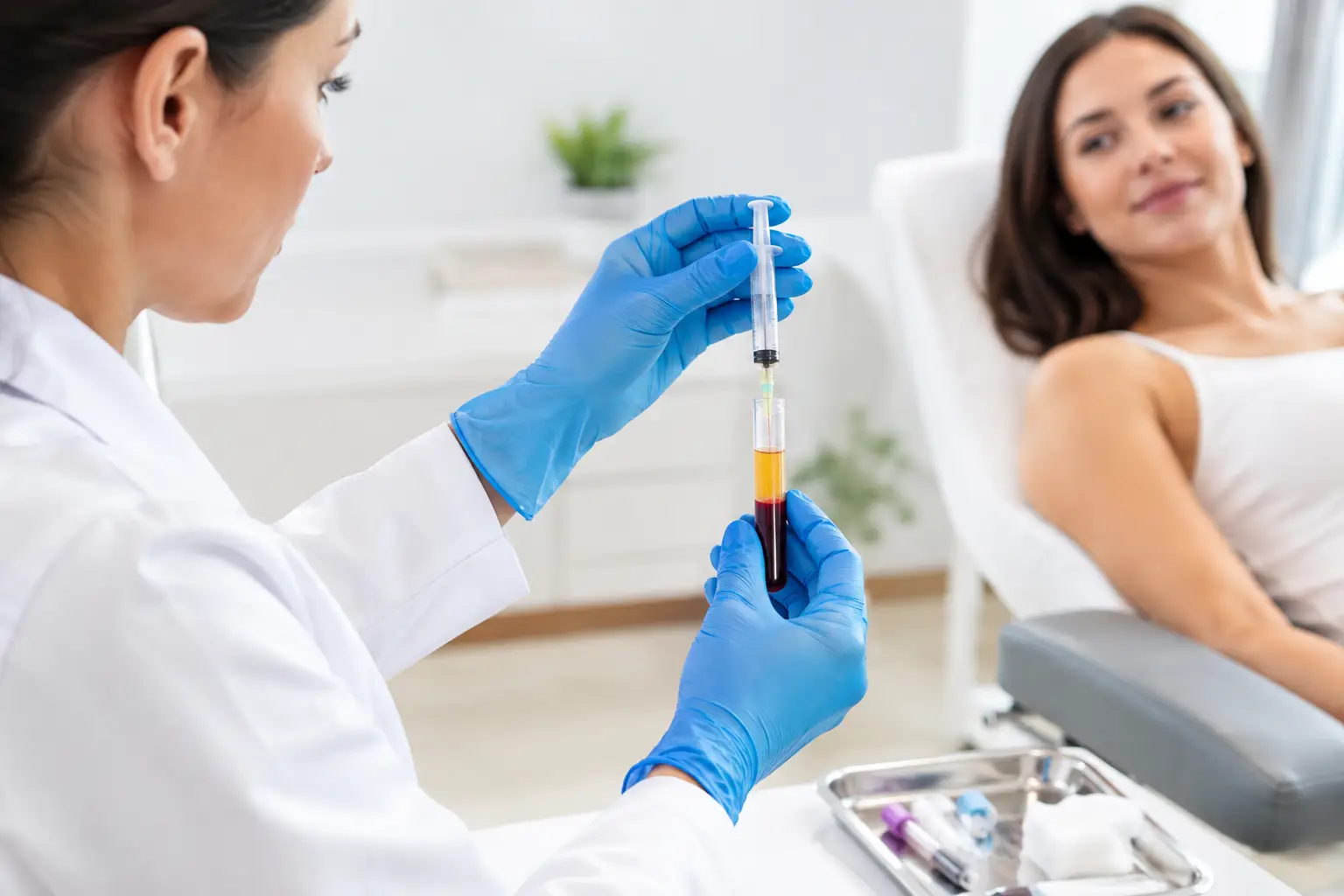
A treatment that begins with a small sample of your own blood may sound surprising, yet platelet-rich plasma has become one of the most sought-after options for clients who want natural-looking rejuvenation without adding volume or changing their expression. This guide to platelet rich plasma explains what PRP can do, what a refined treatment experience involves, and how to decide whether it belongs in your long-term skin or hair health plan.
What Is Platelet-Rich Plasma?
Platelet-rich plasma, commonly called PRP, is a concentrated portion of your blood that contains platelets, growth factors, and signaling proteins. Platelets are best known for their role in healing after an injury. In aesthetic medicine, licensed professionals use this concentrated plasma to support the skin’s natural repair processes and encourage healthier-looking tissue over time.
Your treatment starts with a routine blood draw. The sample is placed in a medical centrifuge, which separates the plasma and platelets from other blood components. The resulting PRP is then prepared for precise application or injection into the treatment area.
Because PRP is derived from your own blood, it is especially appealing to clients who value a more biologically aligned approach to rejuvenation. It is not a filler, and it does not work like Botox. Rather than temporarily relaxing muscles or restoring volume with a gel-based product, PRP supports gradual improvement in skin quality, texture, and vitality.
A Guide to Platelet Rich Plasma Benefits
PRP is valued for its versatility. When thoughtfully selected and professionally administered, it can complement a sophisticated skin maintenance plan for the face, under-eye area, scalp, neck, chest, and hands.
For facial rejuvenation, PRP may help improve the appearance of fine lines, crepey texture, dullness, acne-related textural concerns, and a tired-looking complexion. It is often used around the eyes, where the skin is delicate and clients may prefer an approach that enhances quality rather than adds visible volume. Results tend to look like you, only more rested, luminous, and refreshed.
For scalp concerns, PRP is frequently incorporated into hair restoration plans for clients experiencing thinning or early changes in density. The goal is to support the scalp environment and existing hair follicles. Hair treatment is most effective when the cause of shedding or thinning has been evaluated first, since hormones, stress, nutrition, genetics, medications, and medical conditions can all play a role.
Many clients choose PRP in combination with microneedling. Microneedling creates controlled microchannels in the skin, while PRP is applied or introduced to support the recovery response. This pairing can be particularly helpful for uneven texture, enlarged-looking pores, and overall radiance. Whether combination treatment is appropriate depends on your skin condition, downtime preferences, and treatment history.
What Your PRP Appointment Feels Like
A premium PRP experience should feel personal from the beginning. Your provider should review your medical history, current medications and supplements, aesthetic goals, and any history of bleeding disorders, active skin conditions, or autoimmune concerns. A skilled consultation is not a formality. It is how your provider determines whether PRP is appropriate and where it may deliver the most meaningful improvement.
After your blood draw and PRP preparation, a topical numbing cream may be used when injections or microneedling are planned. The procedure itself is typically well tolerated. You may feel pressure, brief pinching, or a prickling sensation depending on the technique and area treated.
Treatment time varies, but most appointments are completed within about an hour. Following facial PRP, it is common to experience redness, swelling, tenderness, or small areas of bruising. With scalp PRP, mild soreness or a feeling of tightness can occur. These effects are usually temporary, but your provider will give you individualized aftercare based on the technique used.
When Will You See Results?
PRP rewards patience. Unlike treatments that create an immediate structural change, PRP works with your body’s own regenerative processes. Some clients notice a healthier glow within the first few weeks, while improvements in texture, firmness, and overall skin vitality often develop over several months.
For many aesthetic concerns, a series of treatments is recommended rather than a single appointment. The exact schedule depends on the treatment area, your baseline skin condition, and your goals. Hair-focused protocols also usually involve a series followed by maintenance, because hair growth cycles move slowly.
No ethical provider should promise identical outcomes for every person. Age, genetics, sun exposure, stress, skincare habits, and internal health all influence the skin’s capacity to respond. PRP can be a beautiful option, but it is most effective when it is part of a personalized plan rather than treated as a stand-alone quick fix.
Who Is a Good Candidate for PRP?
PRP may be a strong fit for adults seeking natural-looking support for early signs of aging, skin texture changes, acne scarring, under-eye crepiness, or hair thinning. It can also suit clients who want to enhance results from microneedling or maintain the quality of their skin between other aesthetic treatments.
However, PRP is not right for everyone. Your provider may recommend postponing or avoiding treatment if you have an active infection, certain blood or platelet disorders, uncontrolled medical conditions, or are taking medications that affect clotting. Pregnancy, breastfeeding, and recent illness also warrant an individualized clinical conversation.
If volume loss is your primary concern, PRP alone may not provide the structural correction you are looking for. In those cases, a carefully balanced plan may include dermal filler, biostimulatory treatment, or other rejuvenation options. If dynamic lines are the concern, Botox may be more relevant. The most elegant results come from choosing the right treatment for the right concern, not from forcing one modality to do everything.
Preparing for Treatment and Supporting Recovery
Your provider will give you specific instructions based on your health profile. In general, arrive well hydrated and eat a balanced meal before your appointment unless you have been told otherwise. Hydration can make the blood draw easier and supports your overall recovery.
You may be asked to avoid certain anti-inflammatory medications, supplements, alcohol, or smoking around treatment, but do not stop a prescribed medication without guidance from the clinician who manages it. After treatment, protect your skin from direct sun exposure, use gentle skincare as instructed, and give your skin time to recover before returning to intense exercise, heat exposure, or active ingredients.
At The Skin Health Clinic, PRP planning can also include a closer look at the internal factors that affect visible skin performance. Nutrition, hydration, sleep quality, stress, and targeted vitamin support do not replace clinical treatment, but they can meaningfully support the conditions in which your skin heals and functions.
Why Provider Expertise Matters
PRP may use your own blood, but it is still a medical aesthetic procedure. The quality of your experience depends on far more than the centrifuge. Proper patient selection, sterile handling, thoughtful preparation, injection technique, and realistic treatment planning all matter.
Choose a practice led by licensed professionals who can explain the intended purpose of treatment, expected downtime, potential risks, and alternatives in clear language. You should never feel rushed into a procedure or pressured to pursue more treatment than your goals require. A well-designed plan respects your features, your health history, and your definition of natural beauty.
The right PRP treatment does not ask you to become someone else. It gives your skin or scalp a science-backed opportunity to show more of its own strength, vitality, and lasting health.