
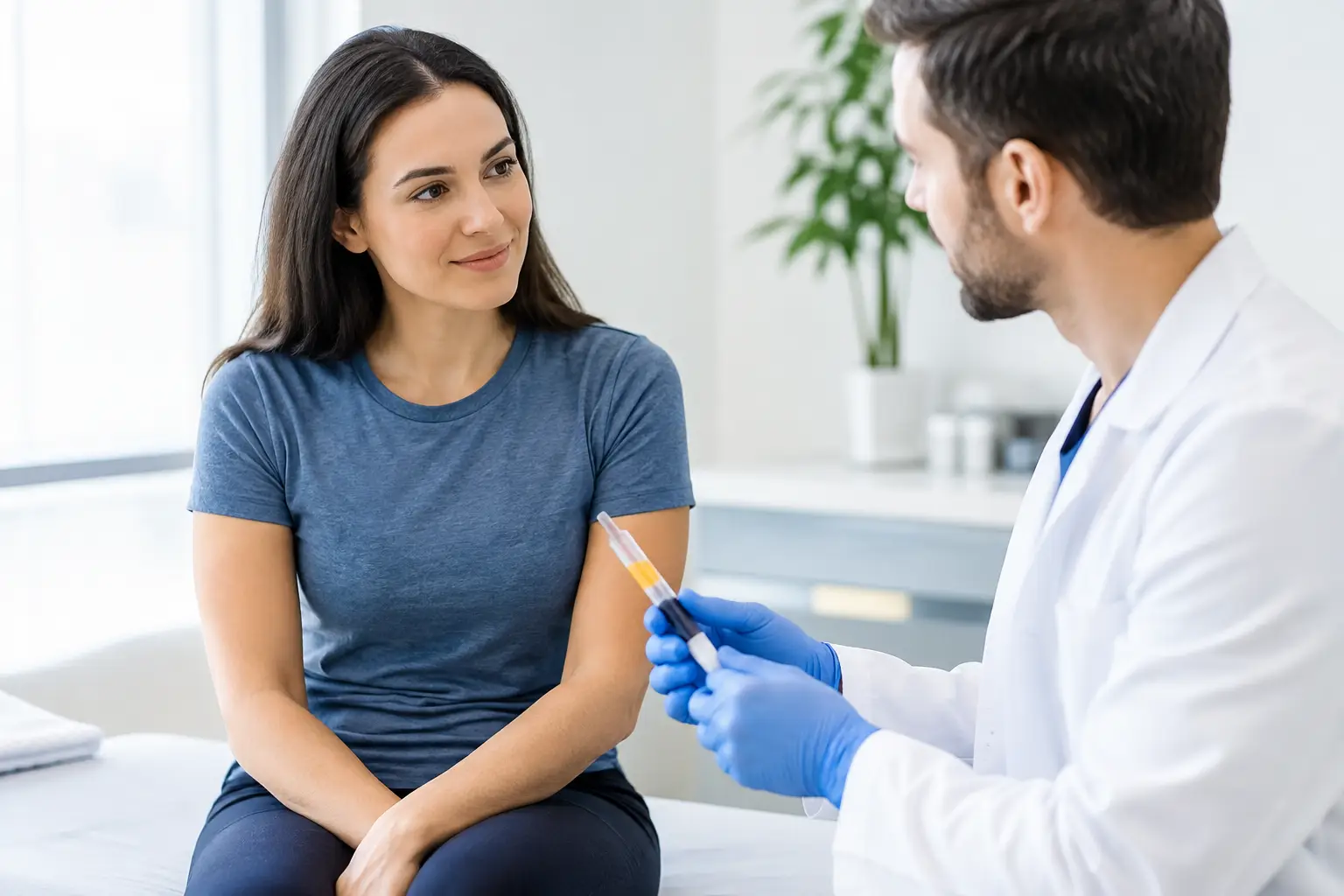
A PRP appointment begins long before the blood draw. The quality of your preparation can influence how comfortably you move through treatment, how well your skin recovers, and how confidently you can return to your routine. Knowing how to prepare for PRP treatment means supporting your body’s natural healing response while giving your licensed provider a complete picture of your health, medications, and aesthetic goals.
PRP, or platelet-rich plasma, uses a concentrated portion of your own blood that contains platelets and growth factors. After a small blood sample is processed, the platelet-rich plasma may be injected or paired with treatments such as microneedling to support skin rejuvenation. It is a highly personalized treatment, which is why thoughtful preparation matters as much as the procedure itself.
Start With a Personalized Consultation
PRP is not a one-size-fits-all service. Your consultation is the right time to discuss concerns such as fine lines, acne scarring, crepey texture, hair thinning, under-eye hollows, or a general loss of radiance. Your provider will assess your skin, medical history, current medications, and whether PRP is best performed on its own or combined with another clinically appropriate treatment.
Be candid about prescription medicines, over-the-counter pain relievers, supplements, allergies, prior cosmetic procedures, and any history of bleeding or clotting concerns. Also mention active skin infections, cold sores, autoimmune conditions, pregnancy or breastfeeding, and recent illness. These details do not automatically rule out treatment, but they can change the timing or treatment plan.
A premium PRP experience should feel considered rather than rushed. At The Skin Health Clinic, treatment planning can also account for the internal factors that affect how skin performs, including hydration, nutrition, stress, and your broader wellness routine.
How to Prepare for PRP Treatment in the Week Before
The goal in the days before PRP is simple: arrive well hydrated, well nourished, and without avoidable sources of inflammation or bruising. Your provider’s specific instructions always take priority, especially when you take prescribed medication.
Hydrate consistently
Plasma is the liquid portion of blood, so hydration is a practical part of preparation. Begin increasing your water intake several days before your appointment rather than trying to drink a large amount immediately beforehand. Adequate hydration may also make the blood draw easier and help you feel better during your visit.
Choose water regularly throughout the day, and include hydrating foods such as fruit, vegetables, soups, and electrolyte-rich options if they fit your health needs. If you have a medical condition that requires fluid restrictions, follow your physician’s guidance instead.
Eat balanced, nutrient-dense meals
Do not arrive for PRP on an empty stomach unless your medical provider has specifically instructed you otherwise. A balanced meal with protein, complex carbohydrates, and healthy fats can help maintain steady energy during the appointment. Think eggs with whole-grain toast, Greek yogurt with fruit, or a grain bowl with lean protein and vegetables.
There is no special “PRP diet,” and dramatic detoxes are not necessary. However, consistent nourishment supports your overall wellness and helps you avoid feeling lightheaded after the blood draw. If your care plan includes nutrition-guided vitamin support, your provider can advise on what is appropriate for you.
Review medications and supplements carefully
Some medicines and supplements may increase the likelihood of bruising or affect platelet activity. Common examples can include aspirin, ibuprofen, naproxen, fish oil, vitamin E, certain herbal supplements, and blood-thinning medications.
Do not stop a prescribed medication on your own. Instead, provide a full list to your PRP provider and prescribing physician well ahead of time. They can tell you whether any temporary adjustments are medically appropriate. For discomfort, your provider may recommend an alternative such as acetaminophen when suitable for your health history.
Limit alcohol and nicotine
Alcohol can contribute to dehydration and may increase bruising for some patients. It is typically wise to avoid it for at least 24 to 48 hours before treatment, following your provider’s instructions. Nicotine can impair circulation and healing, so reducing or avoiding smoking and vaping before and after your appointment supports the best possible recovery environment.
Prepare Your Skin Without Overdoing It
The skin should arrive calm, clean, and intact. In the few days leading up to a facial PRP treatment, avoid introducing new skincare products or scheduling aggressive treatments that can leave your complexion irritated. That includes strong peels, waxing, laser procedures, and intensive exfoliation unless your provider has specifically coordinated them as part of your plan.
Your provider may ask you to pause retinoids, exfoliating acids, benzoyl peroxide, or other active products for a designated period before treatment. This varies based on your skin sensitivity and whether PRP is being paired with microneedling. Follow the instructions you are given rather than relying on a generic timeline.
On the day of your appointment, arrive with clean skin whenever possible. Skip makeup, self-tanner, heavy moisturizers, and potentially irritating products in the planned treatment area. If you are receiving PRP for hair restoration, wash your hair as directed and avoid styling products that can leave buildup on the scalp.
The Day of Your PRP Appointment
Wear comfortable clothing and plan enough time that you do not feel hurried. Most PRP sessions begin with photographs, skin cleansing, and possible topical numbing, followed by a quick blood draw. Your blood is placed in a centrifuge to separate and concentrate the plasma before your provider administers it according to your customized treatment plan.
Bring a list of medications if you have not already submitted one, and let your provider know if anything has changed since your consultation. A new breakout, cold sore, fever, rash, or illness may mean treatment should be postponed to protect your comfort and safety.
If you tend to feel faint during blood draws, mention it before the appointment begins. Having eaten, staying hydrated, and reclining during the draw can often help. You may also want to arrange a lighter schedule afterward, particularly if this is your first PRP treatment or if it is combined with microneedling.
Plan for Recovery Before You Leave Home
PRP is designed to work with your body’s natural processes, and mild redness, tenderness, swelling, pinpoint bleeding, or bruising can occur. The appearance and duration of recovery depend on the treatment area, injection technique, whether microneedling was used, and your individual skin response.
Before your visit, make room in your calendar for gentle aftercare. Avoid strenuous exercise, excessive heat, saunas, steam rooms, swimming, alcohol, and direct sun exposure for the period your provider recommends. These activities can intensify redness or swelling when your skin is already reactive.
Keep your post-treatment skincare simple. Use only the products approved by your provider, avoid touching the treated area with unwashed hands, and apply mineral sunscreen once you have been cleared to do so. Resist the urge to cover redness immediately with makeup if your aftercare instructions advise waiting. A brief pause in your usual routine gives your skin the space to recover properly.
Set Realistic Expectations for Results
PRP supports gradual rejuvenation, not an overnight transformation. Some patients notice an early glow as initial redness settles, but collagen-related improvements in texture, tone, and firmness develop over time. Many treatment plans involve a series of sessions, spaced according to your goals and provider’s recommendation.
Results also depend on factors beyond the treatment room. Sun protection, consistent medical-grade skincare, sleep, stress management, nutrition, and avoiding nicotine all contribute to lasting skin health. PRP can be a meaningful part of an anti-aging or scar-revision plan, but it works best when it is supported by habits that protect the investment you are making in your skin.
When to Contact Your Provider
Your provider should give you detailed aftercare instructions and a direct way to ask questions. Contact the office promptly if you experience severe or worsening pain, excessive swelling, spreading redness, warmth, drainage, fever, signs of an allergic reaction, or any symptom that feels unusual for you.
A well-prepared PRP treatment is not about following an overly restrictive checklist. It is about arriving informed, hydrated, and supported by a provider who sees your skin in the context of your whole health. Give yourself the gift of a calm schedule, honest communication, and a recovery plan that lets your natural results unfold beautifully.