
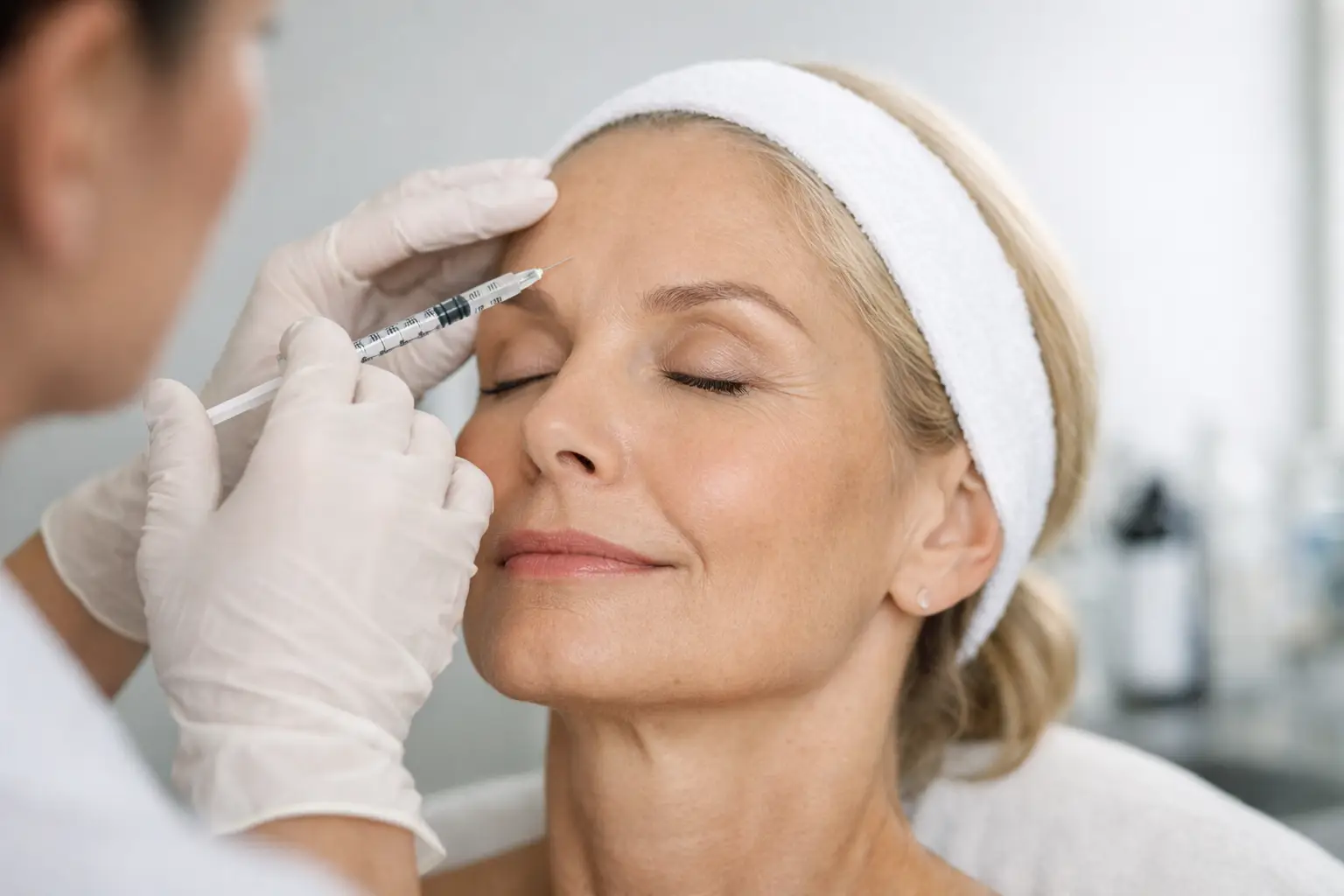
A smoother forehead or softer expression lines can feel like a small change with a meaningful effect on confidence. But for patients who plan to make Botox part of their regular skin maintenance, the more valuable question is not simply whether it works. It is: is Botox safe long term?
For most healthy adults, Botox Cosmetic has a strong long-term safety record when it is used appropriately, at recommended intervals, and administered by a qualified medical professional. Still, long-term treatment should never be approached as an automatic routine. The best results come from a personalized plan that considers your facial anatomy, goals, skin quality, muscle movement, health history, and how your needs may change over time.
Is Botox Safe Long Term When Used Regularly?
Botox is the brand name for a purified form of botulinum toxin type A. In aesthetic medicine, it is injected in carefully measured doses to temporarily relax specific muscles responsible for expression lines, such as frown lines, forehead lines, and crow’s feet. The medication works locally at the injection site by reducing the nerve signals that tell a muscle to contract.
Botox has been used medically for decades, including for conditions such as chronic migraine, muscle spasticity, and excessive sweating. Its cosmetic use is also extensively studied and widely performed. Research and long-term clinical experience support its safety when treatment is performed by licensed, experienced providers using authentic products and appropriate dosing.
The distinction matters. Botox is safe long term for many patients, but safety is linked to how it is selected, placed, and monitored. More units are not automatically better, and a treatment plan that worked beautifully years ago may not be the right plan for your face today.
What Long-Term Botox Use Can Look Like
Most patients choose treatments approximately every three to four months, although the timing varies. Some people metabolize the product more quickly, while others find that their results last longer after a consistent series of treatments. Your provider should assess movement and results rather than relying only on a fixed calendar schedule.
With repeated treatment, the targeted muscles may gradually become less dominant. This can mean that some patients need fewer units over time or notice that their expression lines remain softer between appointments. It does not mean the face becomes dependent on Botox. If you stop treatment, muscle movement returns gradually, and lines may become visible again as they naturally would with aging and expression.
A thoughtful approach also leaves room for movement. Modern aesthetic care is not about creating a frozen appearance. Strategic dosing can preserve your ability to look expressive while helping prevent deeply etched dynamic lines from becoming more established.
Potential Long-Term Considerations
Long-term Botox treatment is generally well tolerated, but it is not without trade-offs. Understanding them allows you to make decisions with confidence rather than chasing a certain look or treating more often than necessary.
Changes in Muscle Strength
A muscle treated repeatedly can become smaller or weaker over time because it is contracting less often. In the right areas, this may be part of the desired result. For example, treatment of a strong jaw muscle may create a softer lower-face contour for appropriate candidates.
However, excessive or poorly placed treatment can create imbalance. Over-treating the forehead, for instance, may leave some patients feeling that their brows appear lower or that their expressions look less natural. This is why facial assessment is essential at every appointment, particularly as skin laxity and facial structure change with age.
Resistance to Treatment
A small number of patients may find that Botox seems less effective over time. True resistance is uncommon, especially with aesthetic dosing, but it can occur. It may be related to the body developing neutralizing antibodies, although other factors can also explain shorter-lasting results, including dose, placement, metabolism, or changes in muscle activity.
Avoiding overly frequent treatments and unnecessarily high doses is one way a skilled provider helps minimize this concern. If results change, the answer is not always more product. It may be a reassessment of technique, timing, or your broader treatment plan.
Side Effects and Technique-Related Risks
Temporary redness, swelling, tenderness, bruising, or headache can occur after injections. These effects are usually mild and resolve quickly. Less common risks include asymmetry, an unintended brow or eyelid droop, or a smile that feels temporarily different if product is placed too close to neighboring muscles.
These effects are typically temporary, but they underscore a central truth: Botox is a medical treatment, not a casual beauty service. Your injector’s knowledge of facial anatomy, product handling, dose selection, and follow-up care has a direct impact on both safety and the quality of your result.
Who Should Take Extra Precautions?
Botox is not appropriate for everyone. Treatment may need to be postponed or avoided during pregnancy or breastfeeding, as safety data are limited. Patients with certain neuromuscular disorders, an active skin infection at the treatment site, a known allergy to ingredients in the product, or specific medical concerns should discuss these carefully with a licensed provider and their physician when appropriate.
Your consultation should include a review of medications and supplements, previous aesthetic treatments, medical history, and your goals. Be open about any history of facial surgery, eyelid heaviness, migraines, neurological conditions, or unusual reactions to injectable treatments. This information helps your provider create a plan that respects both your appearance and your health.
Long-Term Safety Depends on a Personalized Plan
A premium Botox experience should feel measured, never rushed. Before treatment, your provider should evaluate your facial movement at rest and in expression, examine skin quality, and discuss what natural-looking rejuvenation means to you personally.
For some patients, Botox alone is the right choice. For others, repeated Botox without addressing skin hydration, texture, volume loss, sun exposure, sleep, or nutrition may not deliver the most balanced result. Fine lines can be movement-related, but they can also reflect collagen loss and changes in the skin itself.
This is where integrated care can be especially valuable. Medical-grade skincare, collagen-supporting treatments such as microneedling or PRP, hydration, nutritional support, and a consistent home routine may help improve overall skin quality. Botox can then be used more strategically as one part of a wider plan for healthy, refreshed-looking skin.
At The Skin Health Clinic, treatment planning is designed around the individual rather than a one-size-fits-all injection pattern. The goal is to support natural movement, refined results, and lasting confidence through clinically informed care.
How to Make Botox Safer Over Time
Choose a licensed, experienced medical provider who performs a full consultation and can explain why they recommend a specific dose and placement. Ask what product is being used, how often you should return, and what results are realistic for your anatomy.
It is also wise to avoid treating too frequently. Allow your provider to assess how your muscles and skin respond before scheduling additional injections. Keep records of prior treatment areas, units, results, and any side effects. This gives your provider a clearer picture over time and helps refine your treatment safely.
Finally, protect the investment you make in your skin. Daily sunscreen, thoughtful skincare, adequate hydration, restorative sleep, balanced nutrition, and stress management all influence how your skin ages and recovers. Botox can soften the impact of repetitive movement, but it cannot replace comprehensive skin health.
A Confident, Informed Approach to Botox
Long-term Botox can be a safe and effective option for maintaining a rested, polished appearance when it is performed conservatively and tailored to your needs. The most beautiful results are rarely about erasing every line. They are about looking like yourself, well-rested and naturally refreshed.
Before your next treatment, give yourself permission to ask for an assessment rather than a repeat prescription. A provider who listens closely, evaluates carefully, and prioritizes your long-term facial health will help you make choices that continue to feel right as you age.