
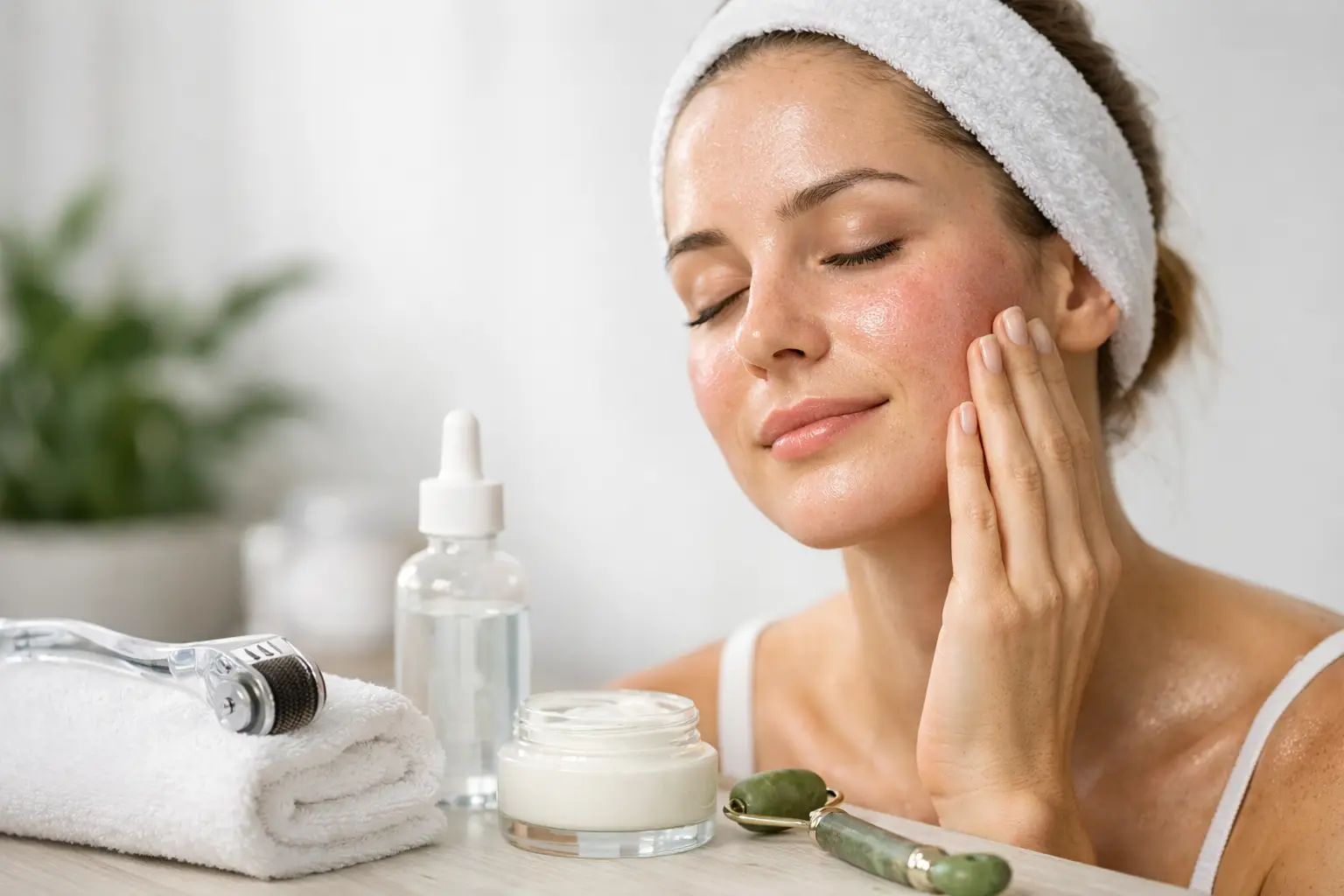
Microneedling creates a controlled renewal response in the skin. What you apply afterward can either support that beautiful repair process or leave newly sensitized skin feeling unnecessarily dry, warm, or reactive. A thoughtful skincare routine after microneedling protects your investment, promotes comfortable healing, and helps reveal the smoother, more luminous results you came in for.
The first rule is simple: treat your skin as if it has had a clinical procedure, because it has. Your usual active-rich routine can wait. For the first several days, gentle, medical-grade support is far more valuable than trying to accelerate results with stronger products.
The first 24 hours: Keep recovery uncomplicated
Immediately after a microneedling treatment, mild redness, warmth, tightness, and pinpoint swelling are expected. Many people describe the sensation as similar to a sunburn. These effects generally settle within one to three days, though the timeline depends on needle depth, the area treated, your skin sensitivity, and whether your treatment included PRP or another rejuvenating protocol.
For the first 24 hours, use only the post-treatment products specifically recommended by your licensed provider. In many cases, that means a gentle hydrating serum or recovery balm formulated without fragrance, exfoliating acids, retinoids, or other potentially irritating ingredients. Hyaluronic acid can be appropriate when it is sterile or provider-approved, but not every serum in your bathroom is suitable for freshly treated skin.
Avoid touching your face unless your hands are clean. Skip makeup, including mineral makeup, during this initial window unless your provider gives different instructions. Freshly treated skin has temporary microchannels and a compromised barrier, so keeping it clean and free of unnecessary ingredients matters.
Use lukewarm water if cleansing is needed. Do not scrub, use a cleansing brush, or rub the skin dry with a towel. Instead, gently pat with a clean, soft towel or allow the skin to air dry before applying your approved recovery product.
Days two and three: Restore moisture and protect the barrier
Once the initial heat and redness begin to ease, your focus shifts to hydration and barrier support. This is not the moment for a complicated regimen. A gentle cleanser, a simple hydrating product, and a nourishing moisturizer are usually enough.
Look for formulas that help replenish the skin’s natural protective lipids and retain water. Ceramides, glycerin, squalane, panthenol, and soothing peptides are common ingredients in well-designed recovery products. The right choice depends on your skin type, acne history, and the treatment protocol used. Someone prone to breakouts may need a lighter barrier cream than someone with dry, mature skin.
Your skin may feel dry or begin to flake slightly. Resist the urge to exfoliate or pick at any dry areas. Flaking is part of the turnover process, not a sign that your skin needs to be scrubbed. Let the skin shed naturally to avoid irritation, discoloration, or disruption to healing.
Sunscreen is non-negotiable after microneedling
Daily sun protection is one of the most meaningful ways to preserve your results. Microneedling is often chosen to address concerns such as uneven texture, fine lines, acne scarring, and discoloration. Unprotected UV exposure can work against those goals, particularly while your skin is more vulnerable to inflammation and pigment changes.
After the first 24 hours, or as directed by your provider, wear a broad-spectrum SPF 30 or higher every morning. A mineral sunscreen with zinc oxide or titanium dioxide is often better tolerated during the early recovery phase, especially for sensitive or reactive skin. Apply it gently, and reapply when you are outdoors, near windows for long periods, or driving in daylight.
For the first few days, limit direct sun exposure whenever possible. A wide-brimmed hat and shade are useful additions, but they do not replace sunscreen. If you have a history of melasma or post-inflammatory hyperpigmentation, personalized sun-protection guidance is particularly important.
What to avoid for the first week
The most effective skincare routine after microneedling is often defined by what you leave out. Your skin needs time before it returns to its usual tolerance level. Unless your licensed provider instructs otherwise, pause the following for approximately five to seven days:
- Retinoids and retinol products
- Alpha hydroxy acids, beta hydroxy acids, and exfoliating pads
- Vitamin C serums, especially low-pH L-ascorbic acid formulas
- Benzoyl peroxide and acne spot treatments
- Scrubs, peel-off masks, and at-home chemical peels
- Fragranced skincare, essential oils, and self-tanning products
Also avoid swimming pools, hot tubs, saunas, steam rooms, and intense workouts for at least 24 to 48 hours. Heat, sweat, chlorine, and bacteria can aggravate sensitized skin. If your skin remains noticeably red or tender, extend that pause and follow your provider’s advice rather than a generic timeline.
Alcohol can contribute to flushing and dehydration, so it is wise to limit it around treatment day. Hydration, adequate sleep, and a nutrient-rich diet support the body’s natural recovery processes. Skin regeneration is not only about what happens on the surface. Consistent protein intake, hydration, and personalized nutritional support can complement a well-planned aesthetic treatment program.
When to reintroduce your active products
Most patients can gradually return to their regular routine after five to seven days, once redness, sensitivity, and flaking have resolved. Start with one active product at a time rather than restarting everything in a single night. This makes it easier to recognize if your skin is not yet ready.
Retinoids, acids, and stronger vitamin C products should be reintroduced cautiously. If your skin still stings when you apply a bland moisturizer, it is not ready for actives. Give it more time. Those with rosacea, eczema, melasma, active acne, or deeper treatment settings may need a longer recovery window and a more customized approach.
Microneedling is not a one-size-fits-all treatment, and neither is aftercare. The depth of treatment, your Fitzpatrick skin type, your current skincare routine, and your goals all influence the safest path back to your usual products. This is why professional skin analysis and clear post-treatment instructions are part of premium, clinically guided care.
Makeup, exercise, and everyday life
Many patients want to know when they can look fully polished again. In general, waiting at least 24 hours before wearing makeup is preferred, and 48 hours may be more comfortable for those with persistent redness or sensitive skin. When you return to makeup, use clean brushes and sponges, and choose non-irritating formulas.
Light activity can usually resume after the first day, provided your skin is calm and you are not sweating heavily. High-intensity training, hot yoga, and heated classes should wait longer because increased body temperature can prolong redness and irritation. Schedule your appointment with your social calendar in mind if you have an event where you want your skin to be fully settled.
Know when to contact your provider
Normal recovery involves temporary redness, dryness, mild swelling, and sensitivity. Contact your provider promptly if you experience increasing pain, significant swelling, blistering, pus, a spreading rash, fever, or symptoms that worsen rather than improve after the first few days. Do not attempt to treat a concerning reaction with random over-the-counter products.
At The Skin Health Clinic, aftercare is considered part of the treatment itself. Your provider can recommend medical-grade recovery products and guide you on when to restart targeted solutions for acne, pigmentation, or age-related skin concerns. That individualized support helps protect both your comfort now and the quality of your long-term results.
Give your skin the quiet, consistent care it deserves after microneedling. The goal is not to do more during recovery, but to create the calm conditions in which renewed, healthier-looking skin can do its best work.