
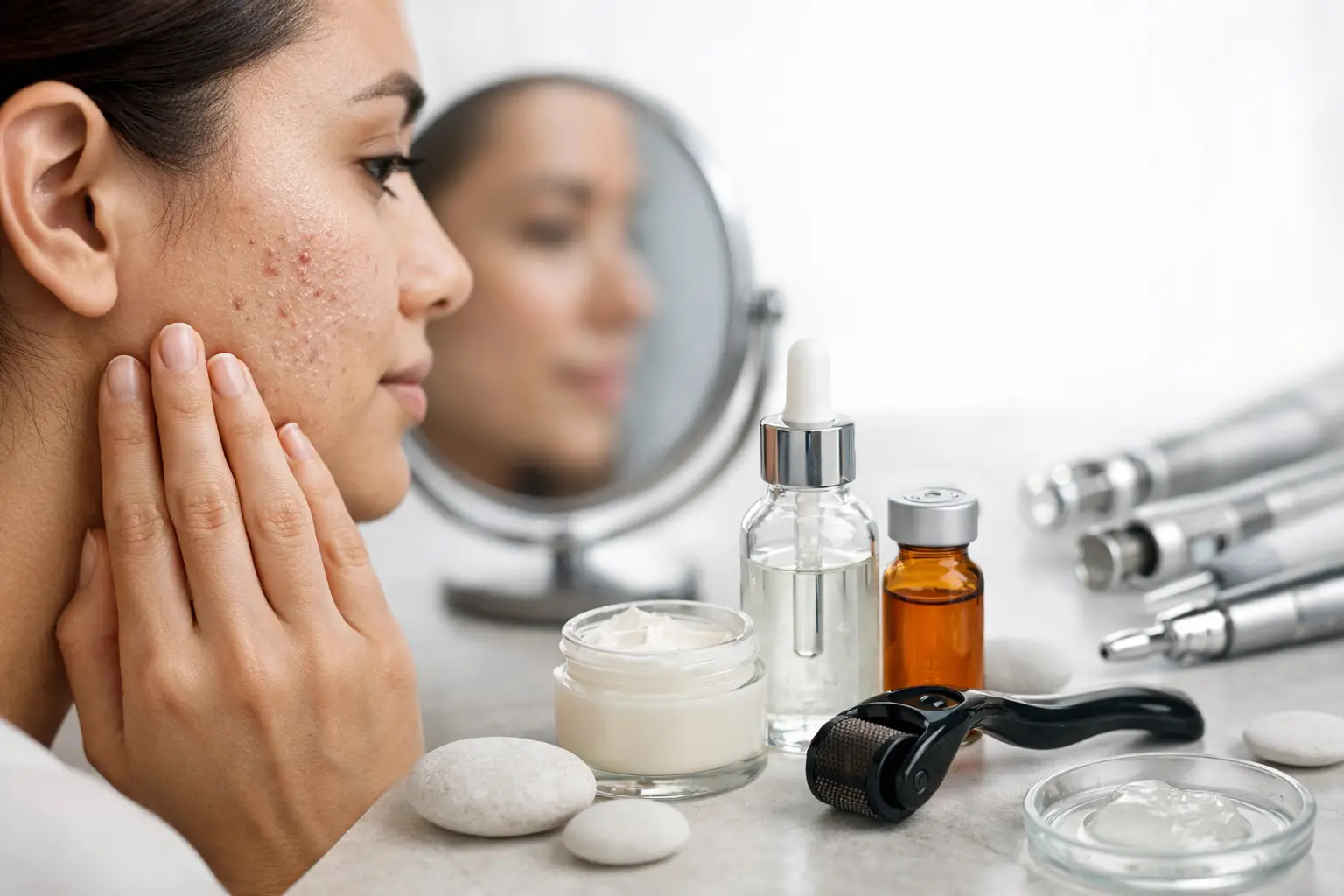
Acne may be temporary, but the texture changes and discoloration it leaves behind can feel far more lasting. The best treatments for acne scars are not one-size-fits-all solutions. They are carefully selected based on the type of scar, your skin tone, your active acne status, and the level of change you want to see.
At The Skin Health Clinic, acne scar treatment begins with a professional skin analysis and a conversation about your goals. This allows your provider to create a plan that supports smoother, clearer, more even-looking skin while protecting the natural character of your complexion.
Why acne scars need a personalized approach
Not every mark after a breakout is technically a scar. Red, pink, or brown spots can be post-inflammatory discoloration, which often responds well to medical-grade skincare, sun protection, and targeted rejuvenation. True acne scars involve a structural change in the skin and generally require clinical treatment to improve.
Depressed scars are the most common concern. These include rolling scars, which create soft waves across the skin; boxcar scars, which have sharper edges; and narrow, deeper ice-pick scars. Raised scars, including hypertrophic scars and keloids, need a different approach altogether. The right treatment depends on where the scar sits, how deeply it affects the skin, and how your skin heals.
This distinction matters. A treatment that beautifully improves broad, shallow texture may do very little for a deep, narrow scar. Combining the right modalities often produces more refined, natural-looking results than relying on one procedure alone.
Best treatments for acne scars in a clinical setting
Microneedling for texture and collagen renewal
Microneedling is a trusted option for mild to moderate atrophic acne scars, enlarged pores, and uneven texture. Controlled microchannels are created in the skin to stimulate its natural repair response, encouraging new collagen and elastin production over time.
The improvement is gradual rather than immediate, which is part of what makes microneedling such an elegant option for clients seeking natural rejuvenation. A series of treatments is usually recommended, with appointments spaced to allow the skin time to rebuild. Mild redness and sensitivity can occur after treatment, but most clients can return to normal routines quickly with the right aftercare.
Microneedling is especially valuable when skin texture is the primary concern. It can also be paired with a customized skincare plan to support recovery and maintain the quality of the results.
PRP microneedling for enhanced skin recovery
Platelet-rich plasma, or PRP, uses concentrated components from your own blood to support the skin’s regenerative processes. When paired with microneedling, PRP can enhance recovery and help improve the overall appearance of acne-related texture concerns.
This approach is particularly appealing for clients who want a treatment plan that works with their body’s own biological resources. PRP microneedling is not a replacement for every acne scar procedure, especially when scars are deeply tethered or sharply defined. However, it can be an excellent choice for improving overall skin quality, fine textural irregularities, and the look of early or shallow scarring.
Chemical peels for discoloration and surface refinement
Professional chemical peels can be highly effective when post-acne discoloration, dullness, or superficial textural changes are part of the concern. By encouraging controlled exfoliation and skin cell turnover, the right peel can help reveal a brighter, more even-looking complexion.
Peels vary significantly in strength and purpose. A lighter peel may be suitable for ongoing maintenance with minimal downtime, while a more intensive option may address more visible surface concerns. Your provider should consider your skin type, sensitivity, pigmentation history, and current skincare routine before recommending a peel.
For many clients, chemical peels are best viewed as part of a broader acne scar strategy. They can improve the skin’s overall clarity and radiance, but they are not usually enough on their own to lift deep indentations.
Dermal fillers for volume loss and rolling scars
Some acne scars appear more visible because tissue beneath the skin has lost support. Dermal filler can be used selectively to elevate certain depressed scars, particularly rolling scars and wider areas of volume loss. The result can be a smoother transition between scarred and unscarred skin.
This is a precision treatment. Filler should be placed thoughtfully by a licensed, experienced provider who understands facial anatomy and the difference between restoring natural support and overcorrecting. Depending on the product used and the area treated, results may be visible immediately, although longevity varies.
Dermal filler does not treat every type of acne scar. It is less suitable for very narrow ice-pick scars and may need to be combined with collagen-stimulating treatments for a more complete outcome. When it is the right fit, it can provide a meaningful improvement in texture without changing the way you look.
Medical-grade skincare for lasting support
In-clinic treatments create change, but what you use at home influences how well your skin recovers and maintains that progress. A medical-grade skincare protocol may include ingredients that support cell turnover, pigmentation control, barrier health, and collagen maintenance.
Retinoids, antioxidant serums, pigment-supporting ingredients, and daily broad-spectrum sunscreen are often foundational. Sunscreen deserves special emphasis: UV exposure can deepen discoloration and make acne scars appear more noticeable, even after successful treatment.
Your home routine should be effective without becoming aggressive. Over-exfoliating, layering too many active ingredients, or using harsh acne products on sensitized skin can compromise the skin barrier and prolong irritation. Professional guidance helps keep your regimen purposeful.
When active acne is still present
Treating scars while frequent breakouts continue can be frustrating. New inflammation can create new marks, while some procedures may need to be delayed until the skin is calmer. The first priority is often stabilizing acne with a plan that respects both skin health and lifestyle.
For some clients, this means simplifying an overcomplicated routine. For others, it means examining contributing factors such as stress, sleep quality, nutrition, hormonal patterns, or products that may be triggering congestion. Acne is not always caused by one factor, and it should not be treated as a personal failure.
A whole-person approach can be particularly helpful here. Nutrition-guided vitamin protocols and wellness support may complement clinical skin care when they are tailored to your needs. They are not a cure for acne scars, but they can support the consistency, recovery, and long-term skin health that make aesthetic treatments more rewarding.
What results can you realistically expect?
The goal of acne scar treatment is improvement, not perfection. Even excellent treatment cannot erase every scar or recreate untouched skin. What it can do is soften shadowing, reduce visible texture, restore balance, and help your complexion look healthier in both close-up and everyday light.
Most clients see the strongest outcomes from a staged plan over several months. Collagen remodeling takes time, and the skin continues to improve after the initial healing period. Your treatment timeline should reflect your schedule, tolerance for downtime, budget, and the degree of correction you want.
A premium treatment plan should also prioritize safety for your skin tone and history. If you are prone to post-inflammatory hyperpigmentation, have a history of keloid scars, take certain medications, or are pregnant or breastfeeding, your provider may recommend a modified approach or postpone specific procedures.
Start with the scar, not the trend
The most effective acne scar treatment is the one that addresses your specific skin rather than the procedure currently receiving the most attention. A thoughtful consultation can identify whether your concerns are primarily texture, pigment, volume, ongoing breakouts, or a combination of each.
With licensed professionals, science-backed treatment options, and a plan that supports both visible rejuvenation and lasting skin health, acne scars do not have to define your relationship with the mirror. The right next step is a personalized assessment that gives your skin the care, patience, and expertise it deserves.