
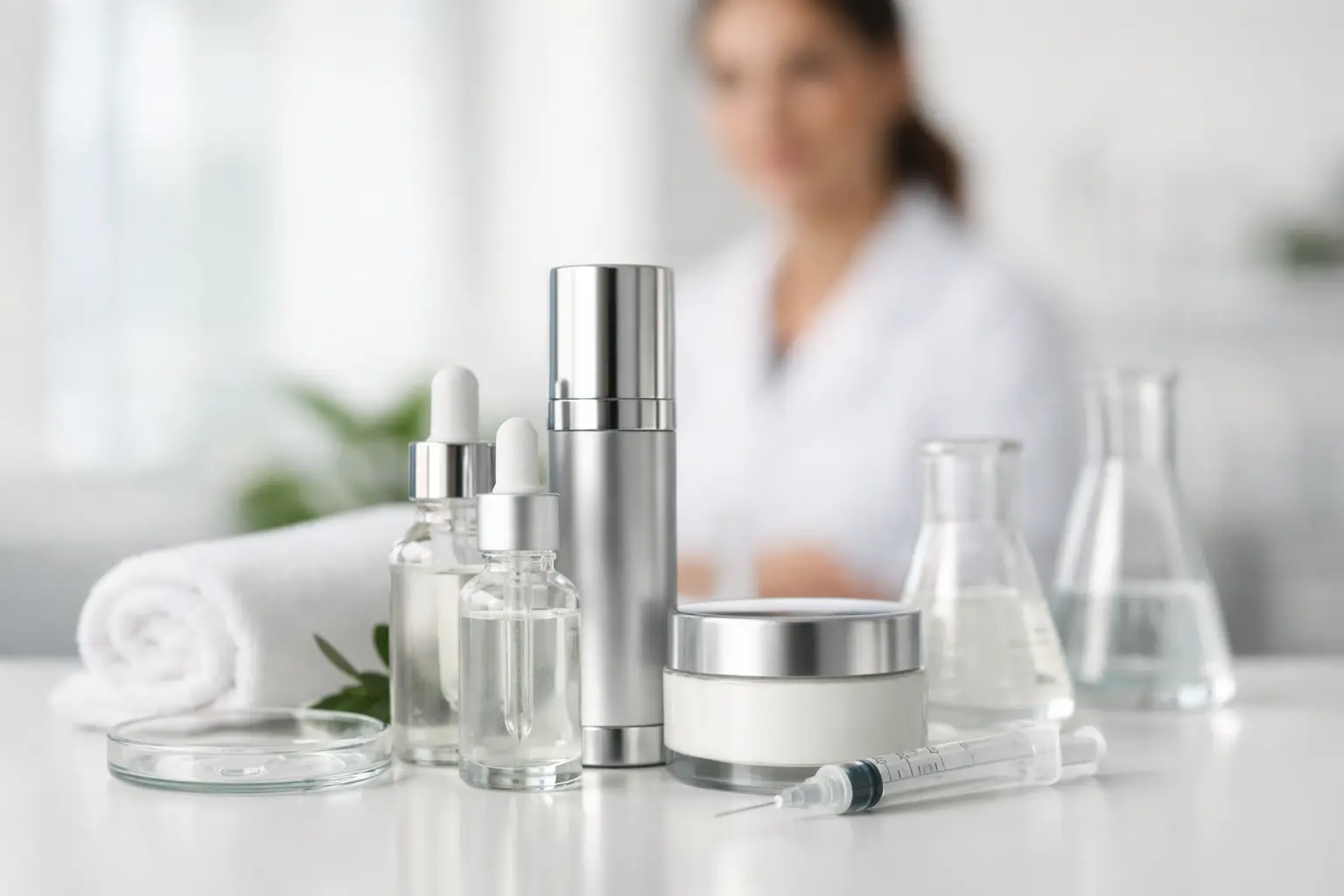
A crowded skincare shelf can make a serious skin concern feel even more confusing. One product promises instant radiance, another promises renewal, and neither explains whether it is right for your skin. This guide to medical grade skincare offers a clearer path: choosing science-backed formulas that address your specific concerns while protecting the health of your skin barrier.
Medical-grade skincare is not about using the strongest product possible. It is about using well-formulated, clinically tested ingredients in the right concentration, at the right time, with professional guidance when your skin needs more than guesswork. For concerns such as persistent acne, uneven tone, fine lines, sensitivity, or loss of firmness, a customized routine can support more visible and lasting improvement than trend-driven product swapping.
What Medical-Grade Skincare Means
Medical-grade skincare generally refers to professional products formulated with active ingredients designed to create measurable change in the skin. These formulas are often available through licensed medical aesthetics practices or under the recommendation of a trained provider. They are created to target concerns at a deeper level than many cosmetic products, which may focus primarily on surface feel, fragrance, or short-term hydration.
The distinction is not simply about a higher price point or clinical-looking packaging. Quality medical-grade lines are supported by formulation science, ingredient stability, delivery systems, and testing that helps establish performance and tolerability. An effective vitamin C serum, for example, depends on more than the presence of vitamin C on an ingredient list. Its form, concentration, pH, packaging, and ability to remain stable all influence whether it can support brighter, more even-looking skin.
That said, no single label guarantees a better result. Medical-grade skincare should be selected based on your skin, your health history, and the guidance behind the recommendation. A formula that beautifully supports mature, resilient skin may be too stimulating for someone managing rosacea or a compromised barrier.
A Guide to Medical Grade Skincare by Skin Concern
A thoughtful routine begins with a professional skin analysis, not a viral recommendation. Your provider should consider skin type, current conditions, previous treatments, medications, lifestyle, sun exposure, and your goals. Skin can also change with hormones, stress, travel, seasonal weather, and recovery from procedures, so the right routine is not always permanent.
Fine lines, laxity, and loss of radiance
For early signs of aging, retinoids remain among the most researched topical options. They encourage skin renewal and can improve the appearance of fine lines, uneven texture, and discoloration over time. Because retinoids can cause dryness or irritation during the adjustment period, they should be introduced gradually and paired with a barrier-supportive moisturizer and daily sunscreen.
Antioxidants such as vitamin C can complement this approach by helping defend against environmental stressors while supporting a brighter complexion. Peptides, growth-factor-based formulations, and restorative hydrators may also be appropriate, particularly when the goal is a smoother, healthier-looking finish without overloading the skin.
Topical care is valuable, but it has limits. When volume loss, deeper lines, or skin laxity are the central concern, a provider may recommend combining skincare with treatments such as microneedling, PRP, Botox, or dermal fillers. This integrated approach respects the fact that aging affects texture, muscle movement, collagen, and facial structure differently.
Acne, congestion, and post-breakout marks
Acne-prone skin often benefits from a disciplined, uncomplicated routine. Salicylic acid can help clear pore congestion, while benzoyl peroxide may reduce acne-causing bacteria. Retinoids can support cellular turnover and help prevent clogged pores. The correct choice depends on the type of acne, your sensitivity level, and whether you are also managing inflammation or dark marks.
More is not better. Layering multiple exfoliants, harsh cleansers, and drying spot treatments can weaken the barrier, leading to more redness, irritation, and rebound oil production. A balanced plan may include a gentle cleanser, one targeted active, a non-comedogenic moisturizer, and broad-spectrum SPF. Consistency usually delivers more than an aggressive routine that cannot be maintained.
Hyperpigmentation and uneven tone
Discoloration requires patience and protection. Vitamin C, retinoids, azelaic acid, tranexamic acid, and pigment-regulating ingredients can help improve the look of dark spots and post-inflammatory marks. But daily sunscreen is the foundation. Without reliable UV protection, efforts to fade discoloration can be undermined by new pigment formation.
Professional treatments may accelerate results for appropriate candidates, but preparation and aftercare matter. A personalized medical-grade routine can help condition the skin before rejuvenation treatments and support recovery afterward, reducing unnecessary irritation while helping preserve your investment.
Dryness, sensitivity, and a weakened barrier
Tightness, flaking, burning, and persistent redness are often signs that the skin needs repair rather than another active ingredient. Ceramides, lipids, humectants, and soothing formulations can help restore comfort and improve the skin’s ability to retain moisture. In this phase, simplifying your routine is often the most sophisticated choice.
If sensitivity is new, severe, or accompanied by rashes, swelling, or persistent discomfort, seek medical evaluation. Not every skin concern should be treated as a cosmetic issue, and safety should always lead the plan.
The Essential Structure of a High-Performance Routine
A strong routine does not need ten steps. Most people benefit from a well-chosen cleanser, targeted treatment, moisturizer, and daily broad-spectrum SPF 30 or higher. Morning care typically focuses on protection and hydration. Evening care is often the right time for renewal-focused ingredients such as retinoids, because the skin can recover overnight.
Introduce one active product at a time. This makes it easier to identify what is helping and what may be causing irritation. Start with a few nights per week when appropriate, then increase frequency only as your skin tolerates it. If you experience stinging that lingers, significant peeling, pronounced redness, or a worsening breakout pattern, pause and consult your provider rather than pushing through.
Sunscreen deserves special attention. Many active ingredients can make skin more reactive to sun exposure, and UV damage contributes to premature aging, discoloration, and loss of collagen. A beautifully designed treatment routine cannot compensate for inconsistent sun protection.
How Professional Guidance Changes Results
The most effective skincare plans are not built around a single hero product. They are built around clinical judgment. A licensed professional can assess whether your concern is primarily related to pigmentation, inflammation, dehydration, acne, collagen loss, or a combination of factors. They can also help you avoid ingredient conflicts, unnecessary duplication, and treatment timing that may compromise recovery.
At The Skin Health Clinic, skincare is considered part of a broader plan for rejuvenation and lasting health. Your skin reflects more than what you apply to it. Sleep quality, nutrition, hydration, stress, hormones, and recovery can all affect inflammation, healing, and overall vitality. For some clients, nutrition-guided vitamin protocols or wellness support can be a meaningful complement to a clinically tailored topical and treatment plan.
A professional plan is especially worthwhile before and after procedures. Certain actives may need to be paused before microneedling or other rejuvenation services, while restorative products may be recommended during recovery. Following these instructions protects your skin and helps support natural-looking results.
What to Expect From Your Investment
Medical-grade skincare works gradually. Hydration and surface smoothness may improve within days or weeks, while changes in texture, breakouts, and discoloration often require several skin cycles. Collagen-focused improvements can take even longer. Taking progress photos in consistent lighting is often more useful than judging your skin day to day.
The best routine is one that fits your real life. If a complicated regimen feels impossible during a busy workweek, simplify it. If a product is effective but causes ongoing irritation, it may not be the right match or frequency. Luxury skincare should feel intentional and supportive, not punishing.
Your skin does not need to look filtered to look healthy. With the right formulas, a protected barrier, and individualized expert care, the goal is skin that appears clear, resilient, rested, and unmistakably your own.