
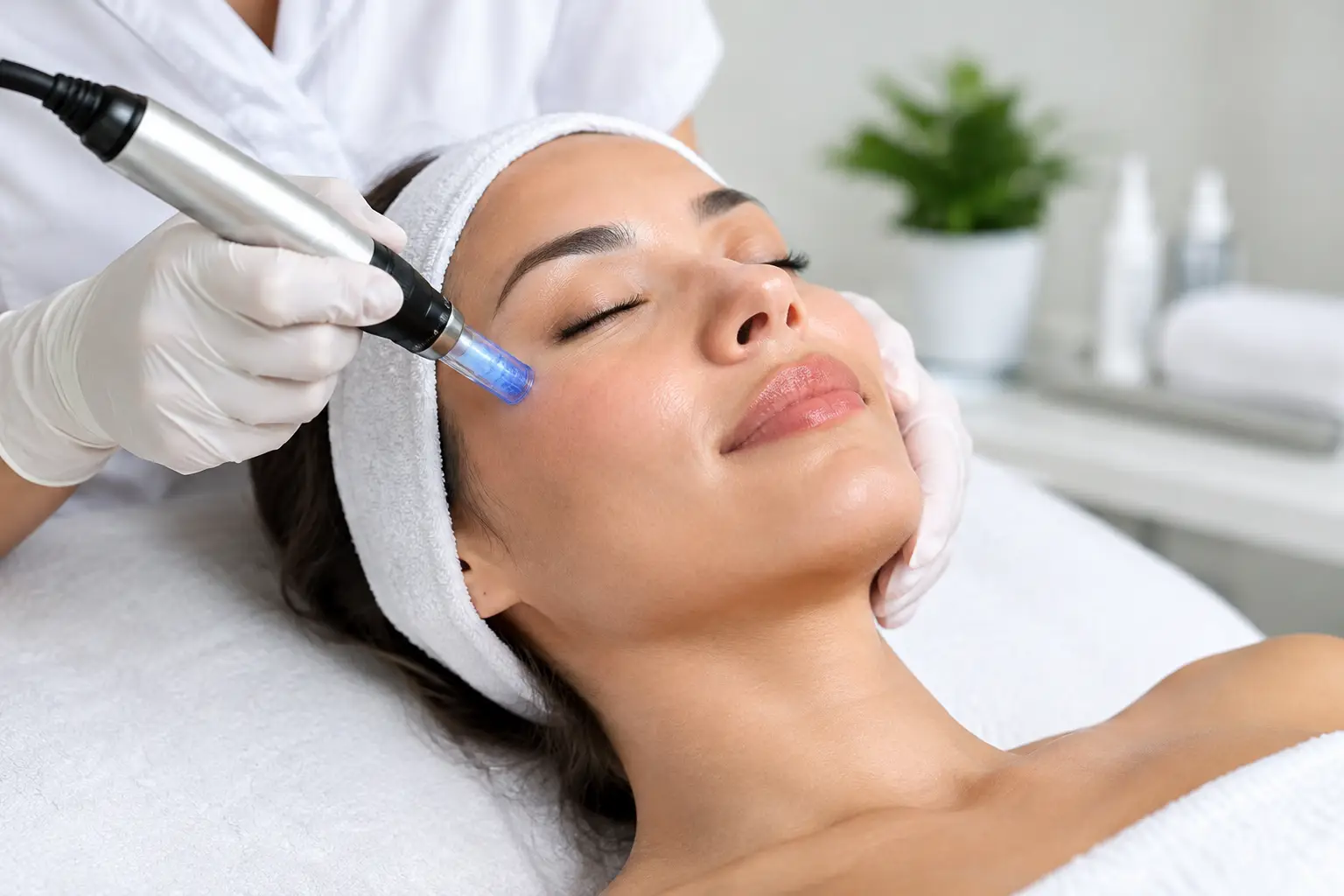
Fine lines that catch the light, acne scars that remain long after breakouts, and skin that no longer feels as firm as it once did can be frustratingly difficult to treat with skincare alone. This guide to collagen induction therapy explains how a professionally performed treatment can encourage healthier collagen activity and support smoother, more resilient-looking skin without changing the character of your face.
What Is Collagen Induction Therapy?
Collagen induction therapy, often called microneedling, is a minimally invasive skin rejuvenation treatment that uses a sterile, medical-grade device to create controlled microchannels in the skin. These precise channels trigger the body’s natural repair response, prompting the production of collagen and elastin – the structural proteins that help skin appear firm, smooth, and supple.
The goal is not to create dramatic change overnight. It is to support gradual, natural-looking renewal from within. As the skin remodels over time, many patients notice refined texture, softened fine lines, improved tone, and a more even-looking surface.
Professional collagen induction therapy is very different from using an at-home roller. Clinical devices allow licensed providers to select the appropriate needle depth, technique, and treatment intensity for each area of the face or body. That control matters for both safety and results, particularly when treating scars, pigment concerns, or delicate areas.
How Collagen Induction Therapy Supports Skin Renewal
Skin responds to controlled injury by beginning a structured healing process. Immediately after treatment, the skin’s repair signals become active. In the following days and weeks, new collagen formation and cellular turnover support the remodeling process.
This is why collagen induction therapy requires patience. You may see an early glow or smoother makeup application as initial swelling settles, but meaningful collagen remodeling develops gradually. Most patients begin to appreciate clearer changes within four to six weeks, with continued improvement over several months.
The treatment can also improve the penetration of carefully selected post-treatment products. This does not mean every serum belongs on freshly treated skin. Your provider should recommend only clinically appropriate, skin-supportive formulas during recovery to protect the barrier and avoid unnecessary irritation.
Concerns That May Respond Well
Collagen induction therapy can be a thoughtful option for patients seeking improvement in fine lines, enlarged-looking pores, uneven texture, mild skin laxity, acne scarring, and certain surgical scars. It may also help create a more even, luminous complexion when dullness is linked to surface irregularity.
Results depend on the concern being treated. Shallow acne scars and texture concerns may respond beautifully to a series of treatments, while deeper rolling or boxcar scars often require a more comprehensive plan that may include other modalities. For advanced laxity, volume loss, or pronounced expression lines, microneedling may be supportive but is not always the primary treatment.
A skilled consultation is where these distinctions become clear. The most refined outcome comes from treating the cause of the concern rather than applying the same procedure to every face.
Your Guide to Collagen Induction Therapy Treatment
A premium treatment experience starts well before the device touches the skin. Your provider should assess your skin quality, medical history, current skincare routine, goals, and timeline. They may also discuss factors that influence healing, including sun exposure, acne activity, nutrition, sleep, and medications or supplements.
On treatment day, the skin is thoroughly cleansed and prepared. A topical numbing cream is commonly applied to maximize comfort. Once the skin is numb, your provider uses a professional microneedling device in measured passes across the selected treatment areas. The process itself is typically efficient, though timing varies based on the size of the area and whether the face, neck, décolletage, scalp, or body is being treated.
You should expect temporary redness and a warm, tight sensation afterward, similar to a moderate sunburn. Pinpoint bleeding can occur at deeper treatment settings and is not unusual in a clinical setting. Your provider will finish with calming, barrier-supportive products and explain exactly how to care for your skin at home.
At The Skin Health Clinic, treatment planning considers more than the surface of the skin. Professional skin analysis, thoughtful home care, and wellness support can help create the right conditions for healthy recovery and lasting skin performance.
Is Microneedling Right for You?
Collagen induction therapy is suitable for many adults, including those who want a natural approach to age management or a clinically guided way to address acne scarring and textural change. It can be performed across a range of skin tones when the treatment plan is customized appropriately.
Still, it is not right for everyone at every moment. Treatment may need to be postponed if you have active inflammatory acne, an active skin infection, open wounds, a cold sore outbreak in the treatment area, or a recent sunburn. People with a history of abnormal scarring, certain autoimmune conditions, bleeding disorders, or recent isotretinoin use should receive individualized medical guidance before proceeding.
Pregnancy and breastfeeding protocols vary by provider and by the products or add-on therapies being considered. This is one reason a medically informed consultation is more valuable than booking a generic service based on a trend.
When a Combination Plan Makes Sense
Microneedling is often powerful on its own, but some concerns benefit from combination care. Platelet-rich plasma, or PRP, may be considered for patients who want to complement microneedling with their own growth-factor-rich plasma. Medical-grade skincare can support skin barrier health and pigment management between appointments. Neuromodulators, dermal fillers, or biostimulating treatments may be better suited to concerns caused by muscle movement, volume loss, or more advanced structural aging.
The right combination is never about doing more for the sake of it. It is about choosing treatments that work together without over-treating the skin or compromising your natural expression.
Recovery and Aftercare: Protect the Investment
The first 24 to 48 hours are focused on calm, clean recovery. Your skin may be red, mildly swollen, dry, or sensitive, and small areas can feel slightly rough as the barrier resets. Most patients return to regular daily activities quickly, but it is wise to schedule treatment when you can avoid major events for a few days.
Use only the aftercare products approved by your provider, and avoid makeup until you have been advised that it is appropriate. Skip exfoliating acids, retinoids, scrubs, and other potentially irritating active ingredients until the skin has recovered. Heat exposure from saunas, steam rooms, intense exercise, and hot yoga can prolong redness during the early recovery period.
Daily broad-spectrum sunscreen is essential. Sun exposure can interfere with the clarity and evenness you are working to achieve, especially if you are prone to post-inflammatory discoloration. Gentle cleansing, moisturizer, hydration, nourishing food, and consistent sleep are simple but meaningful ways to support recovery.
How Many Treatments Will You Need?
For general rejuvenation, a series of three treatments spaced about four to six weeks apart is a common starting point. Acne scars or more established texture concerns may call for additional sessions. Once your initial goals are achieved, maintenance treatments can help support ongoing collagen renewal as part of a long-term skin health plan.
Your treatment schedule should reflect your skin’s response, lifestyle, budget, and desired pace of improvement. A rushed approach is rarely the most elegant one. Collagen takes time to build, and results tend to look most natural when the process is allowed to unfold gradually.
Choosing a Provider You Can Trust
The quality of collagen induction therapy depends heavily on assessment, technique, device quality, sterile practices, and aftercare. Seek a licensed professional who can explain why a certain depth or protocol is appropriate for your skin, not simply promise a standard number of passes.
Ask how your skin will be prepared, what products will be used after treatment, what downtime is realistic, and how complications are managed. You should leave your consultation feeling informed rather than pressured. A reputable provider will be clear about what microneedling can improve, where it has limits, and whether another treatment would better serve your goals.
Beautiful skin rarely comes from a single appointment. It comes from informed choices, consistent care, and a plan that respects both your features and your biology. A personalized consultation can help you decide whether collagen induction therapy is the next right step toward skin that looks refreshed, refined, and distinctly your own.